A powder that will not disperse cannot bind, and redispersion is the step most often skipped when a formulation is copied.
Redispersible powder is made by spray drying a polymer dispersion, and every property it has depends on being turned back into a dispersion in the mixer.
Water penetrates the powder particle, the protective colloid swells and the original polymer particles separate again. If that sequence is incomplete, the film that forms later is not continuous.
The result is not a visible defect. It is a mortar that tests slightly low on adhesion, shows pinholes on a thin coat, or fails a freeze-thaw cycle it should pass.
Look for a powder that wets out quickly in cold water, with no skin of lumps on the surface and no sediment at the bottom of the mixing vessel.
Look at the ash value as well. A high mineral content can slow redispersion by shielding the polymer particles from the water.
Add the powder to water under shear, not the other way round, and do not dump it all at once. Two thirds of redispersion problems come from the way the powder entered the mixer.
Keep the water temperature moderate. Very warm water softens the protective colloid and can cause the powder to swell into lumps before it disperses.
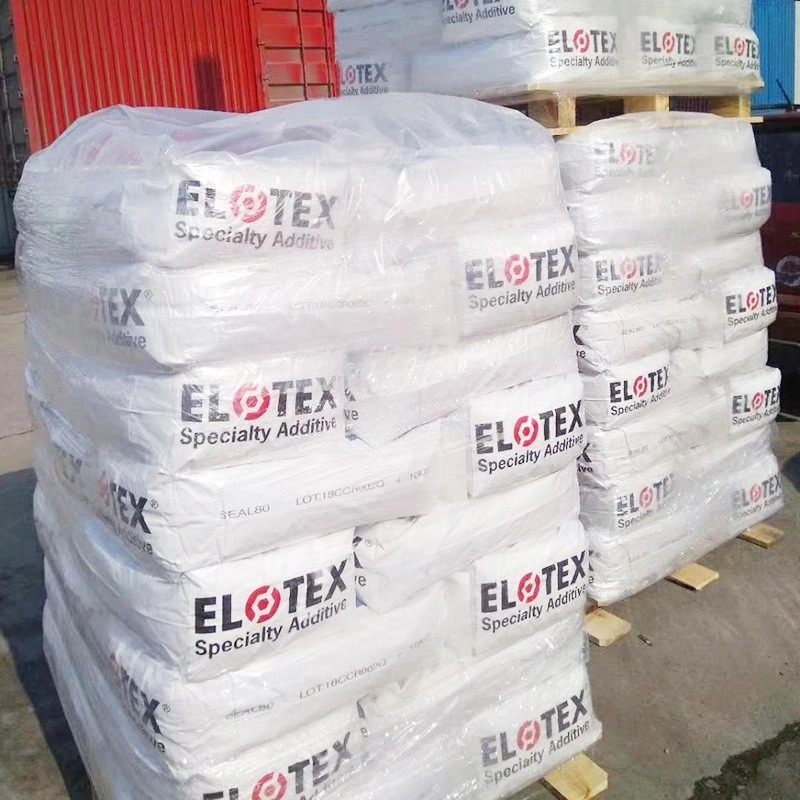
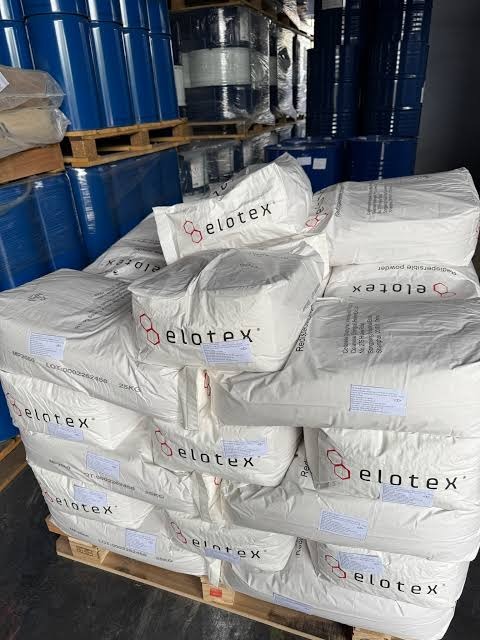
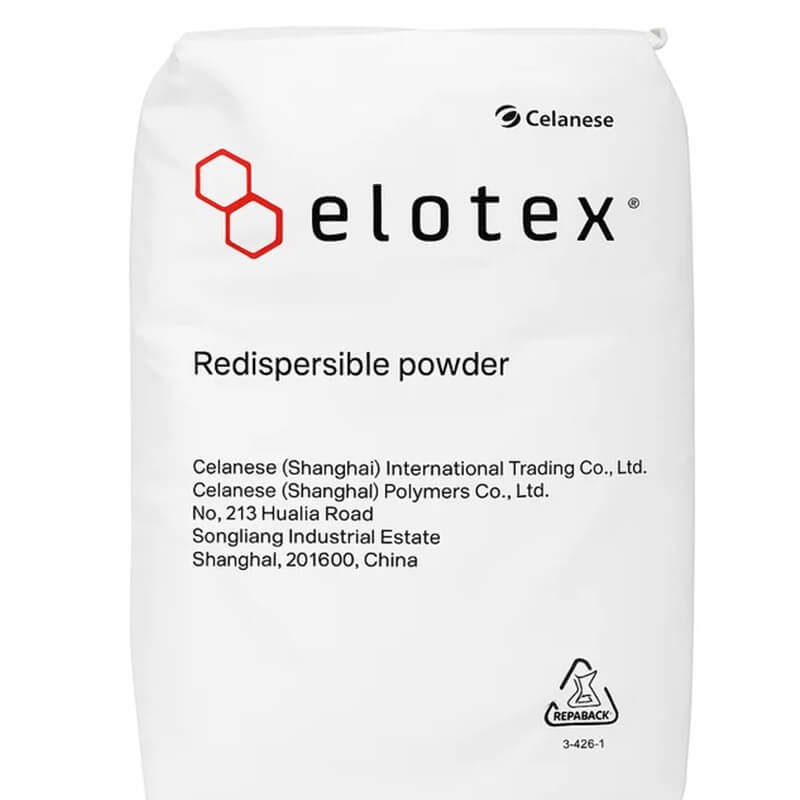
The grade this note is about, and two that sit next to it in the range.
Send the mortar system, the grade you are considering and the volume you plan for. The reply comes back with a dosage recommendation and a quotation.
Fred Wang
Sales

Scan to reach Fred Wang on WhatsApp
 +8615380400285
 sales2@liwei-chem.com
 +8615380400285
 Fred Wang
 Scan to WhatsApp