Porosity is the entry point for water, salt and frost damage, and densifying a repair mortar is mostly about what you leave out.
Repair mortars fail from the inside. Water carries chloride and sulphate into the pores, frost expands it and the surface eventually comes away.
Two sources dominate: water added beyond what the cement needs, and air dragged in during mixing. Both leave voids behind when the mortar hardens.
A third source is compaction. Mortar that is placed without proper compaction keeps larger voids that no admixture can close later.
The reliable levers are the water-to-binder ratio, a defoamed polymer, and a well graded filler. Dosage helps only after those three are under control.
A defoamed powder reduces entrained air, which is why low-absorption grades are usually defoamed as well. Adding more of a standard powder improves strength without closing the voids.
Water absorption and capillary suction are the practical tests. They are quick, they respond to formulation changes and they correlate with what happens on a wall.
For a repair system, test the whole stack: substrate, bonding slurry and repair mortar. A dense mortar over a porous slurry still takes water at the interface.
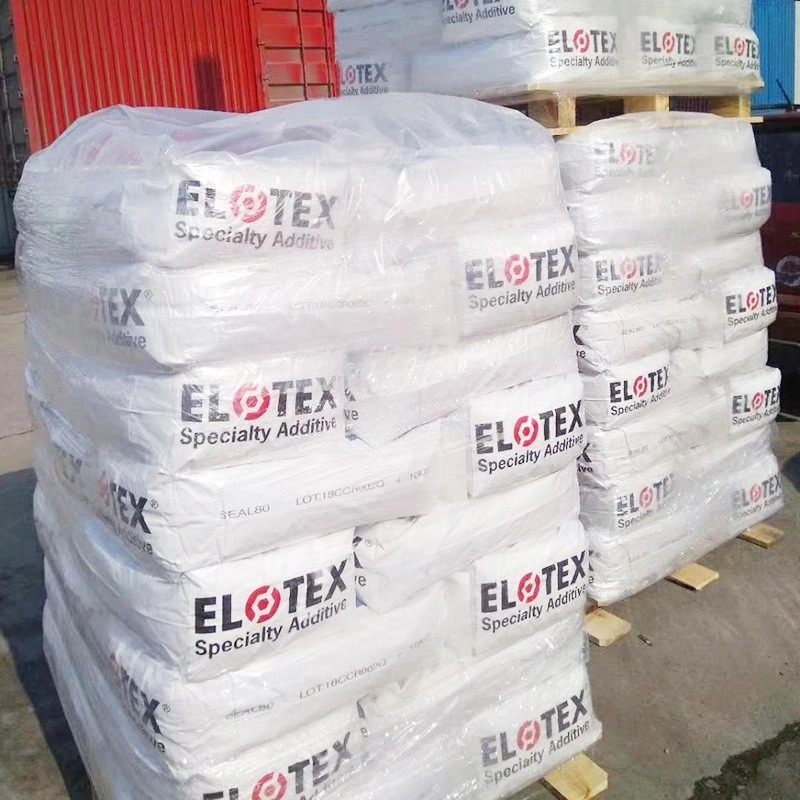
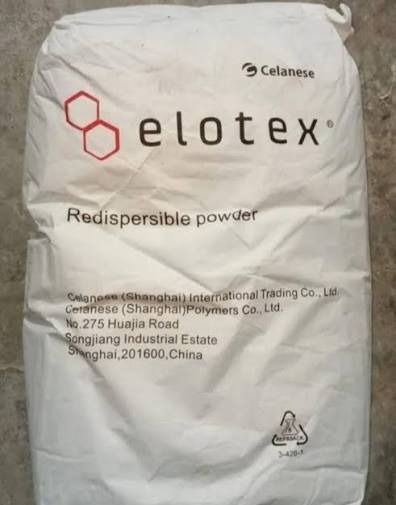
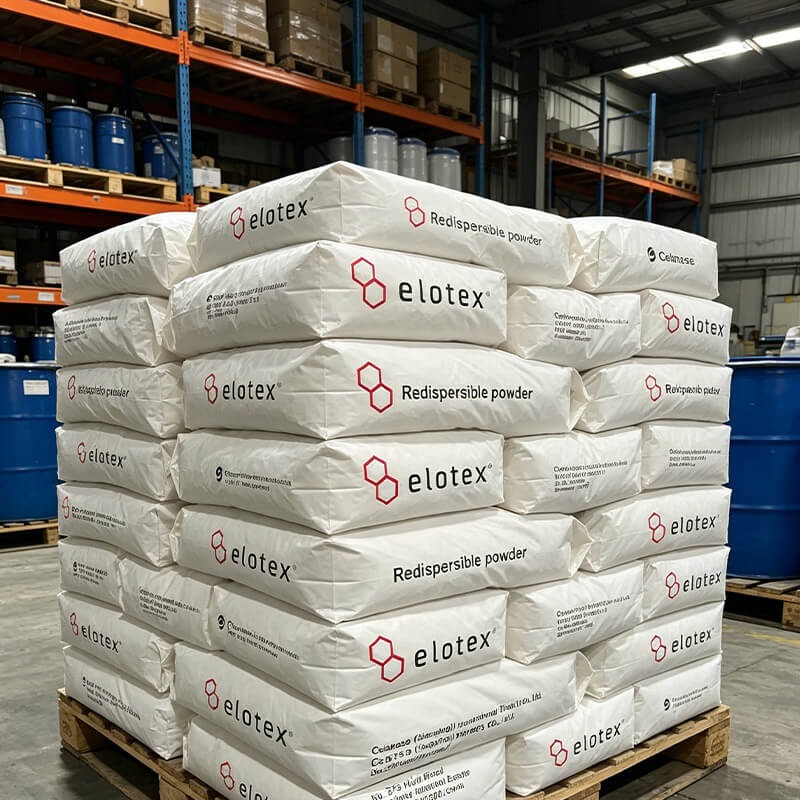
The grade this note is about, and two that sit next to it in the range.
Send the mortar system, the grade you are considering and the volume you plan for. The reply comes back with a dosage recommendation and a quotation.
Fred Wang
Sales

Scan to reach Fred Wang on WhatsApp
 +8615380400285
 sales2@liwei-chem.com
 +8615380400285
 Fred Wang
 Scan to WhatsApp