Rigid, semi-flexible and flexible powders change how a mortar behaves, and a rigid grade still wins where hardness is the point.
Flexibility sells, but not every mortar benefits from it. A render that has to breathe and a putty that has to be sanded are different problems from a base coat over insulation.
Flexibility in a redispersible powder comes from the polymer backbone and shows up as a low glass transition temperature and a low film forming temperature. Flexible grades deform with the substrate instead of cracking away from it.
Rigid grades such as 60W do the opposite. They form a hard film with high cohesion, which translates into abrasion resistance, sandability and dimensional stability rather than crack bridging.
Wall putty and skim coat are the clearest cases. The surface is sanded, painted or wallpapered, and a hard film holds up to that treatment better than a soft one.
C1 tile adhesives with a cement-rich recipe also suit a rigid binder, because the mortar does not need to absorb movement. The savings come from dosing less of a lower-cost grade and still meeting the C1 bond requirement.
Over insulation boards, on timber substrates and in repair mortars exposed to thermal movement, a rigid film cracks where a flexible one would follow the movement.
The practical rule for a dry-mix producer is to keep one rigid and one flexible grade rather than trying to cover both ends with a single powder.
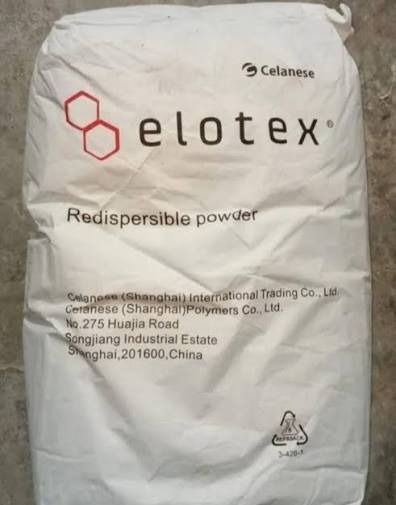
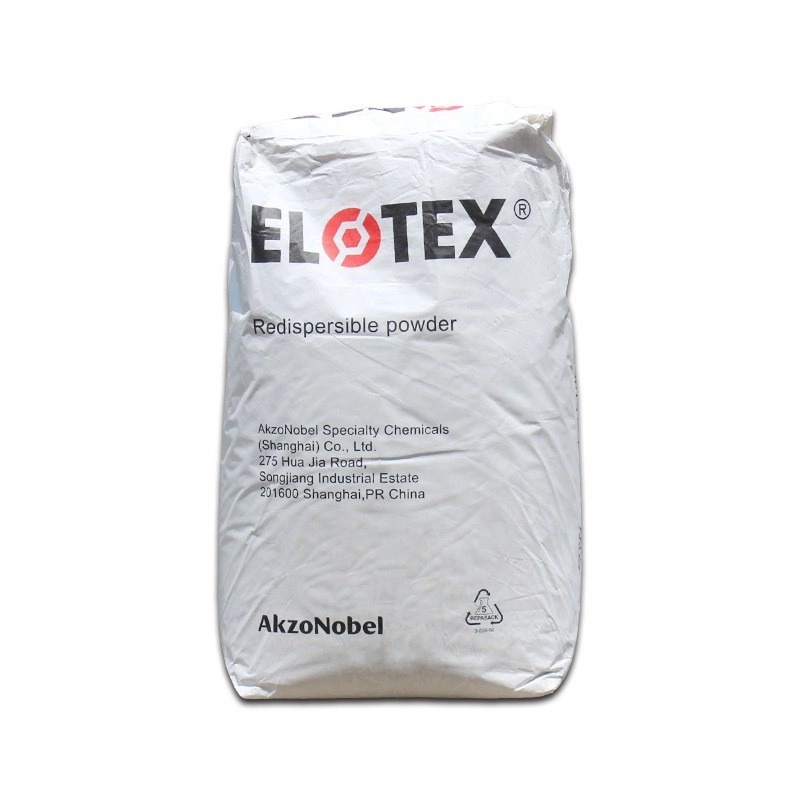
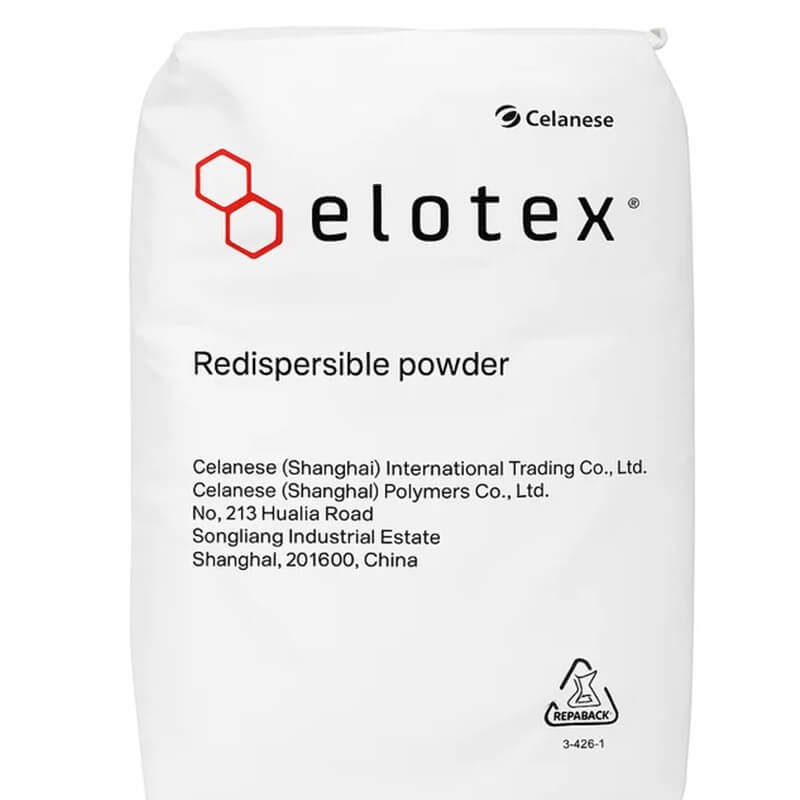
The grade this note is about, and two that sit next to it in the range.
Send the mortar system, the grade you are considering and the volume you plan for. The reply comes back with a dosage recommendation and a quotation.
Fred Wang
Sales

Scan to reach Fred Wang on WhatsApp
 +8615380400285
 sales2@liwei-chem.com
 +8615380400285
 Fred Wang
 Scan to WhatsApp