Lime gives workability, cement gives strength and polymer powder holds the two together, so binder selection follows the mix design.
Cement-lime renders are among the oldest dry-mix products and still among the most sensitive to small changes in the binder package.
Lime improves workability, water retention and flexibility, and it lets the render accommodate slight movement. Cement provides strength and water resistance.
The polymer powder adds adhesion to the substrate and cohesion inside the render. Without it, a lime-rich mix dusts and a cement-rich mix shrinks.
A hard grade suits renders that have to be painted or skimmed and need surface cohesion. A flexible grade suits renders over insulation or on substrates that move.
Water repellency is a separate decision. In exposed facades a hydrophobic grade or a silane additive earns its cost; in sheltered interior work it does not.
Thickness, curing and suction decide more of the outcome than the binder does. A render cured too fast never develops its full strength, whatever the formulation.
Two coats with a scratch key between them behave better than one thick coat, and both need damp curing in the first days.
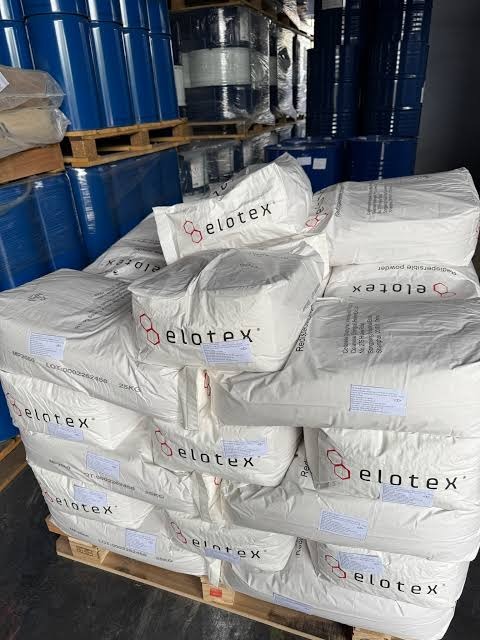
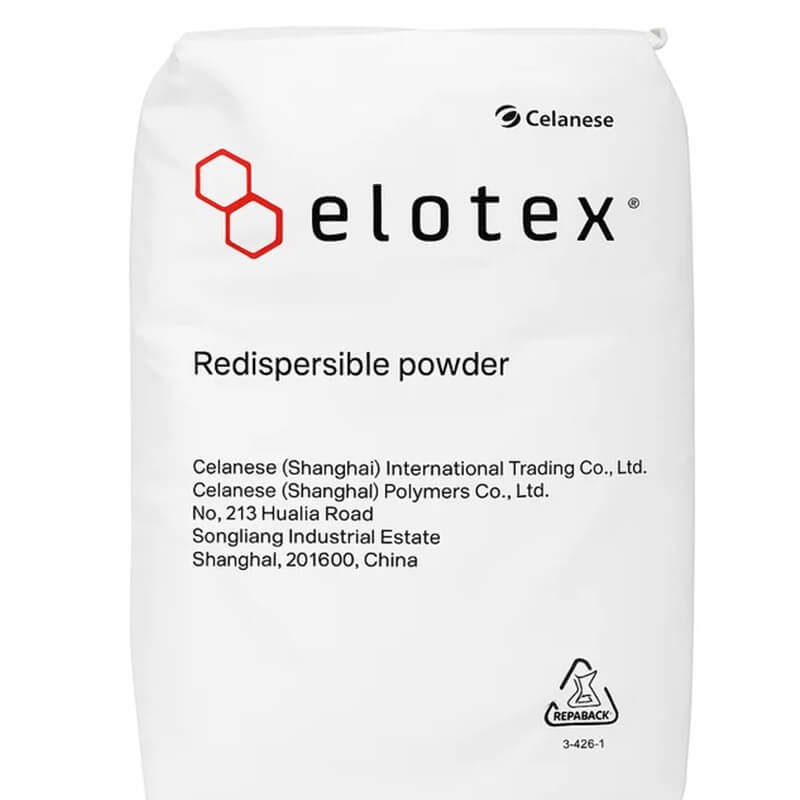
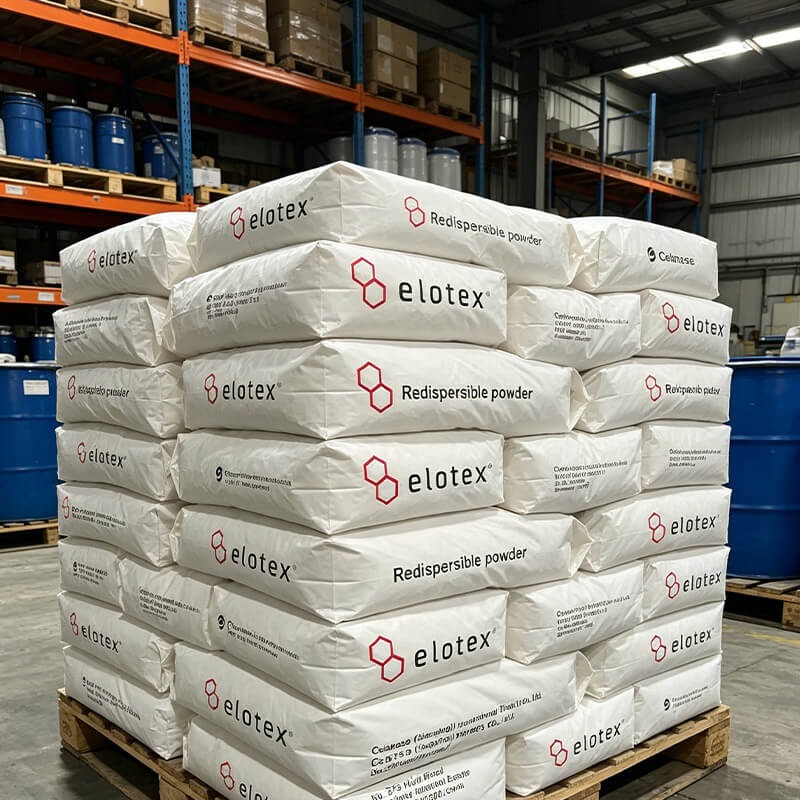
The grade this note is about, and two that sit next to it in the range.
Send the mortar system, the grade you are considering and the volume you plan for. The reply comes back with a dosage recommendation and a quotation.
Fred Wang
Sales

Scan to reach Fred Wang on WhatsApp
 +8615380400285
 sales2@liwei-chem.com
 +8615380400285
 Fred Wang
 Scan to WhatsApp