C2 is a floor, not a target, and large-format tiling asks for more than a class number can express.
Specifiers often treat C2 as the finish line. For large-format tiles it is the minimum, and the properties that matter most are not in the class name at all.
EN 12004 classes describe tensile adhesion and, with the S1 and S2 suffixes, deformability. They do not describe slip, open time or coverage, which are exactly the properties that decide a large-format installation.
The T and E suffixes add slip resistance and extended open time. Those two letters matter more than the number on a large-format project.
A heavy tile on a vertical surface slides unless the adhesive has enough yield stress. Slip resistance is measured on a loaded tile, not on a mortar sample.
Open time decides how long a tiler has before the adhesive skins over. On a large format, positioning can take a minute per tile, and a short open time turns into de-bonded corners.
Coverage is the property most often lost between the laboratory and the site. It depends on notch geometry, trowel angle, substrate flatness and bedding technique.
Design the adhesive for the worst realistic site condition rather than the best laboratory one, and specify the notch size in the application instruction.
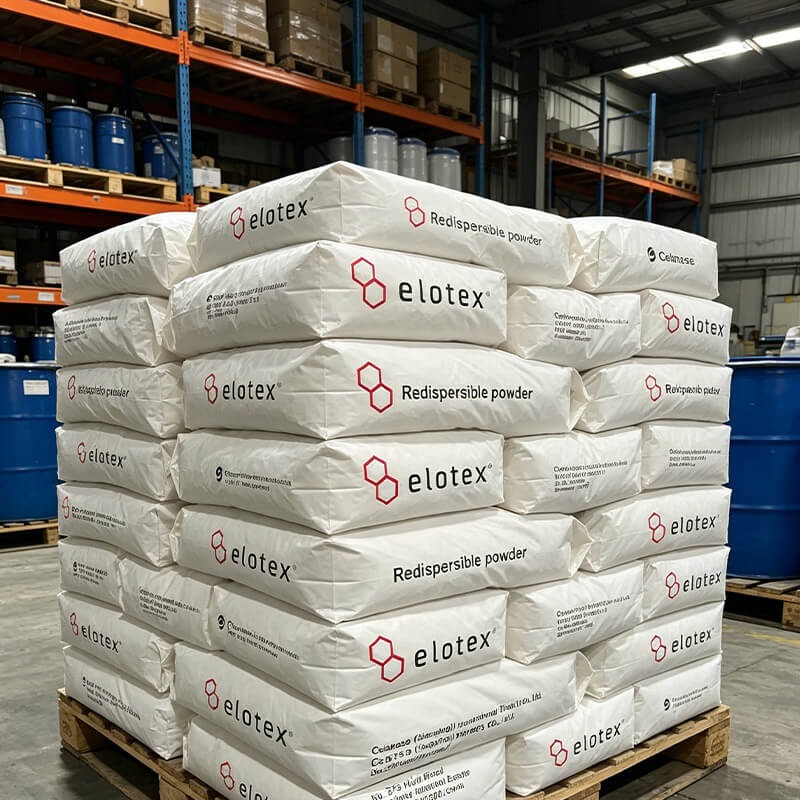
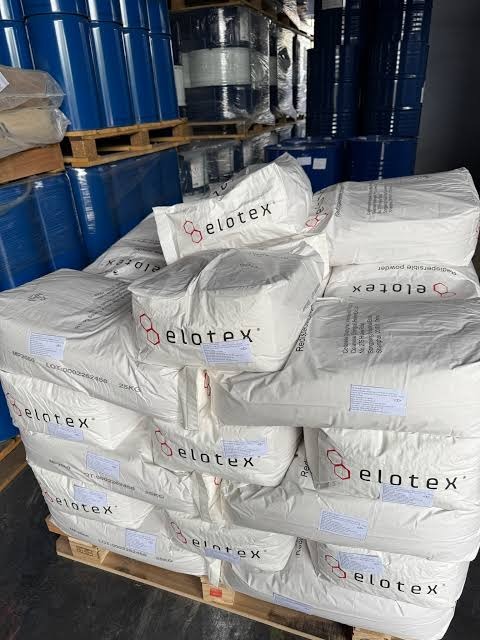
The grade this note is about, and two that sit next to it in the range.
Send the mortar system, the grade you are considering and the volume you plan for. The reply comes back with a dosage recommendation and a quotation.
Fred Wang
Sales

Scan to reach Fred Wang on WhatsApp
 +8615380400285
 sales2@liwei-chem.com
 +8615380400285
 Fred Wang
 Scan to WhatsApp