Fast redispersibility shortens mixing and improves film quality, and that is what MP2100 contributes to a thin-bed adhesive.
MP2100 is a VAE powder with a minimum film forming temperature of +3 °C and an ash value of 10.5 ± 1.5 percent. Its distinguishing property is how quickly it goes back into dispersion.
A powder that redisperses slowly leaves undispersed particles in the mix. Those particles become weak points in the film once the mortar dries.
MP2100 disperses fast enough that the polymer is uniformly distributed by the end of the standard mixing cycle. Thin-bed adhesives benefit most, because the layer is thin and there is no room for weak spots.
Thin-bed mortars need cohesion more than bulk strength. The adhesive has to stay on the trowel, hold its notches and still wet the tile when pressed.
The polymer level in MP2100 supports that cohesion at 1 to 3 percent dosage, which is where most thin-bed formulations are built.
Adhesives shipped in cold markets are tested after freeze-thaw cycles. A well dispersed film tolerates those cycles better than a patchy one, because there are fewer places for ice to start.
That stability comes from dispersion quality rather than from the dosage alone, which is why two grades at the same dosage can behave differently in the same test.
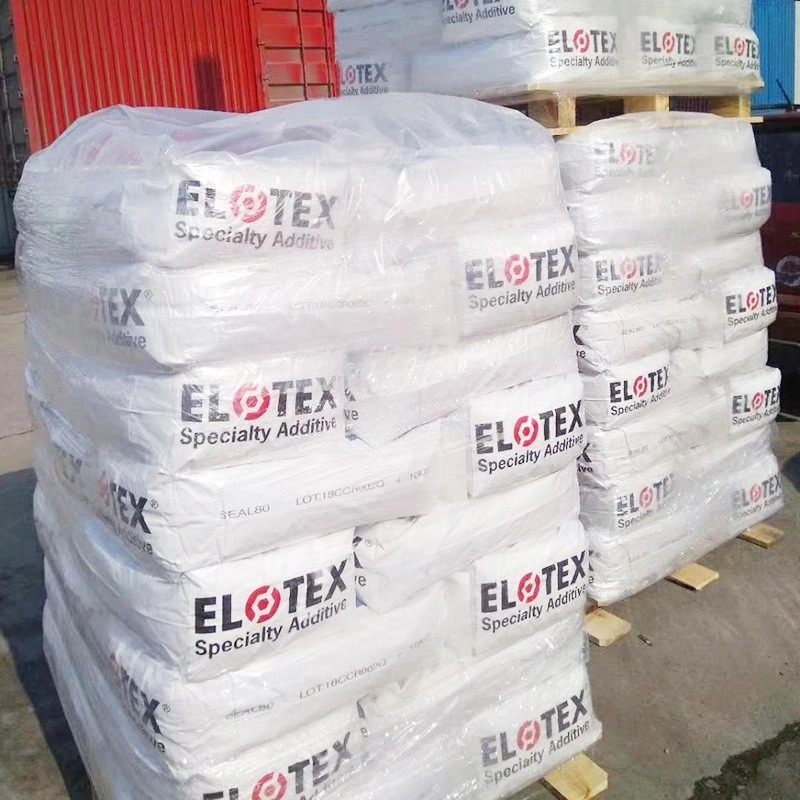
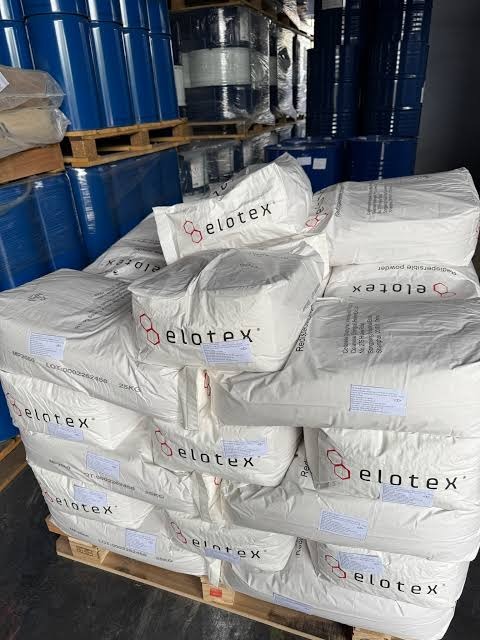
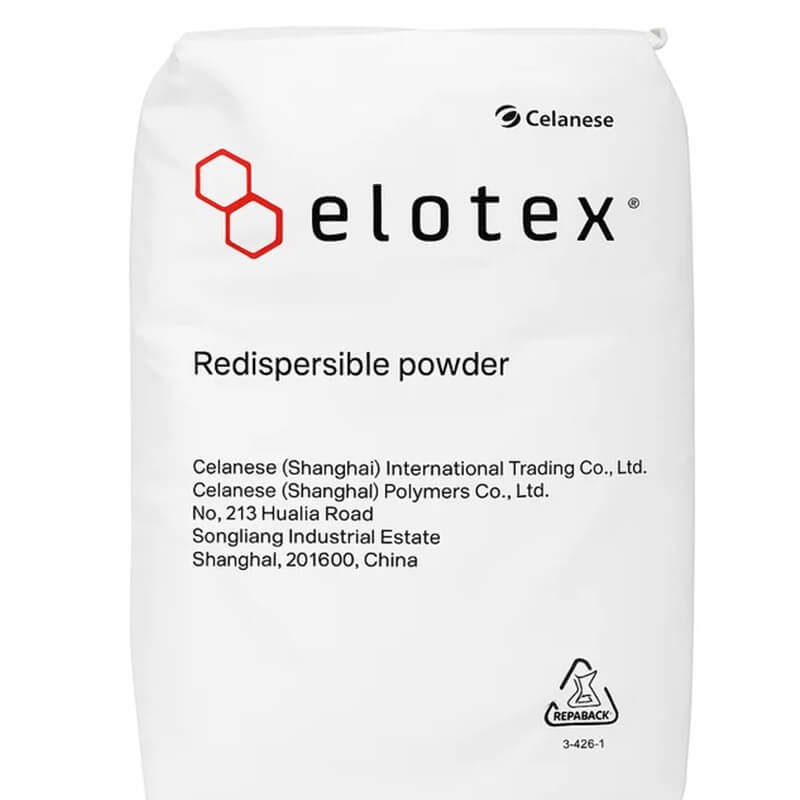
The grade this note is about, and two that sit next to it in the range.
Send the mortar system, the grade you are considering and the volume you plan for. The reply comes back with a dosage recommendation and a quotation.
Fred Wang
Sales

Scan to reach Fred Wang on WhatsApp
 +8615380400285
 sales2@liwei-chem.com
 +8615380400285
 Fred Wang
 Scan to WhatsApp