Continuous joint compound production needs predictable powder flow and predictable packing, and both are settled before the first order.
Joint compound plants run long campaigns on a small number of recipes. A binder that arrives late or behaves differently from the previous batch stops a line that cannot easily switch products.
Production is usually campaign-based: a week of taping compound, then a week of finishing compound. Schedule deliveries to the campaign, not to the calendar month.
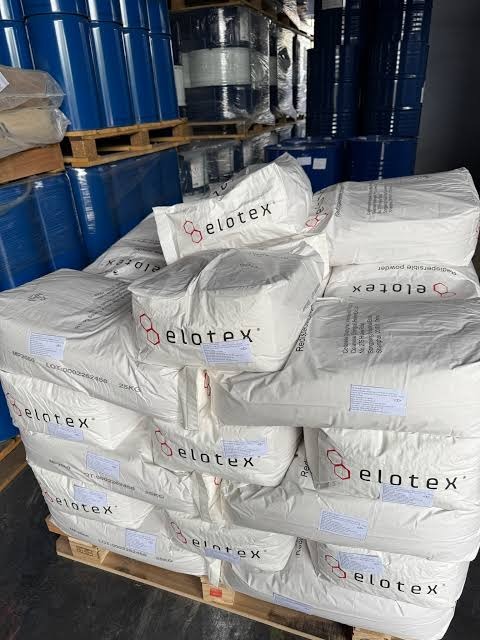
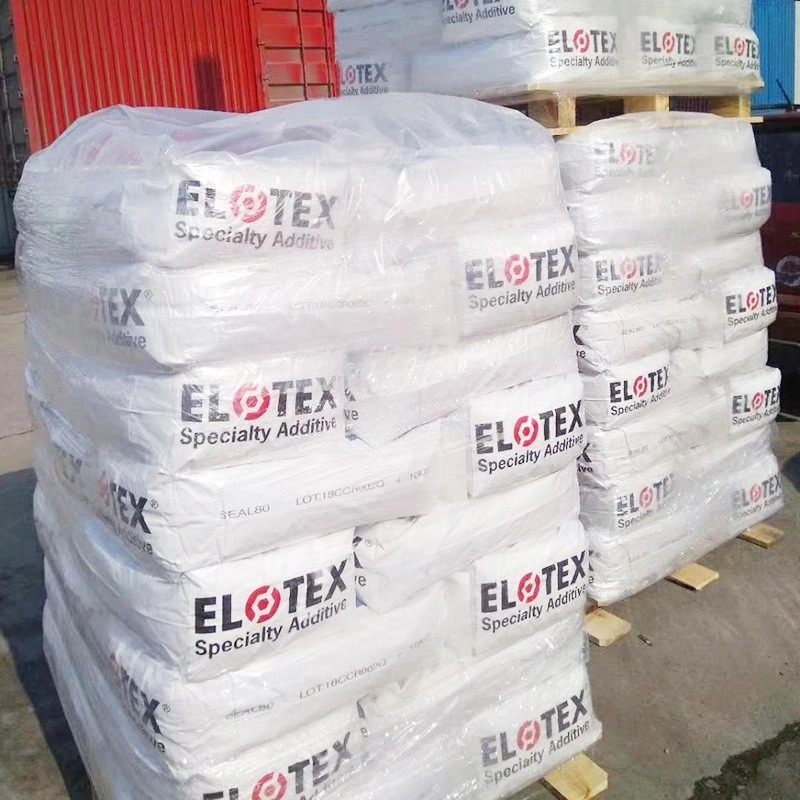
Share the campaign plan with the supplier so the packing format matches the dosing method. A plant that doses from big bags does not want a pallet of 25 kg sacks arriving mid-campaign.
Ask for the bulk density range and the film forming temperature on each certificate of analysis. A shift in bulk density changes how the powder feeds through a screw and how the mixer wets it out.
Keep a retained sample from each delivered batch. When a customer reports a change in trowelling behaviour, the retained sample answers the question in an hour instead of a week.
Gypsum compounds are made in dry plants, but powder storage still matters. Bags stacked against a cold wall pick up moisture and cake at the edges.
Rotate stock on a first-in first-out basis and keep the store below 25 °C. Six months is the working shelf life on the bag, and it counts from the production date rather than the delivery date.
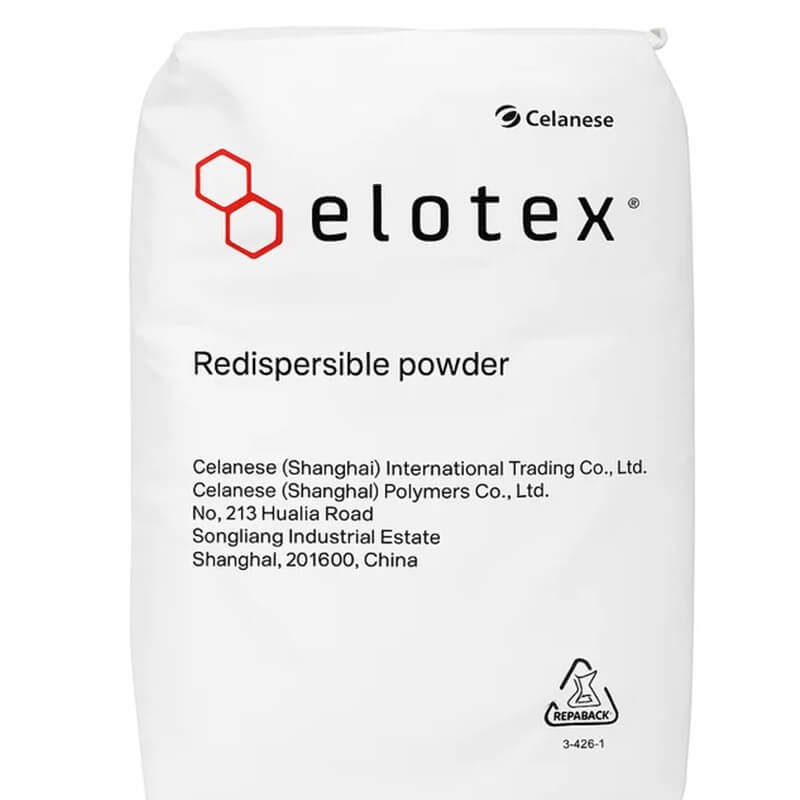
The grade this note is about, and two that sit next to it in the range.
Send the mortar system, the grade you are considering and the volume you plan for. The reply comes back with a dosage recommendation and a quotation.
Fred Wang
Sales

Scan to reach Fred Wang on WhatsApp
 +8615380400285
 sales2@liwei-chem.com
 +8615380400285
 Fred Wang
 Scan to WhatsApp