Two chemistries with different durability envelopes, and the choice between them decides how a repair ages.
Styrene-acrylic and VAE powders both make good repair mortars on day one. They differ in what happens in year five.
The acetate group in a VAE polymer is vulnerable to alkaline hydrolysis. In a thin bedding layer this matters little; in a repair mortar cast against concrete it matters a great deal.
Styrene-acrylic chemistry resists that hydrolysis, which is why it appears in repair, waterproofing and exterior systems where the mortar stays alkaline and wet.
Both chemistries can be formulated to be flexible, but styrene-acrylic grades tend to deliver higher wet adhesion to dense substrates such as old concrete.
VAE grades remain the better value where the mortar is protected, dry and short-lived, or where cost per tonne drives the specification.
Ask what the repair will be exposed to in five years: wetting and drying, de-icing salt, thermal movement or nothing at all. The answer points at the chemistry.
Then check the standard the product has to meet. Some repair specifications state a minimum bond strength after freeze-thaw, which is exactly the test where chemistry shows up.
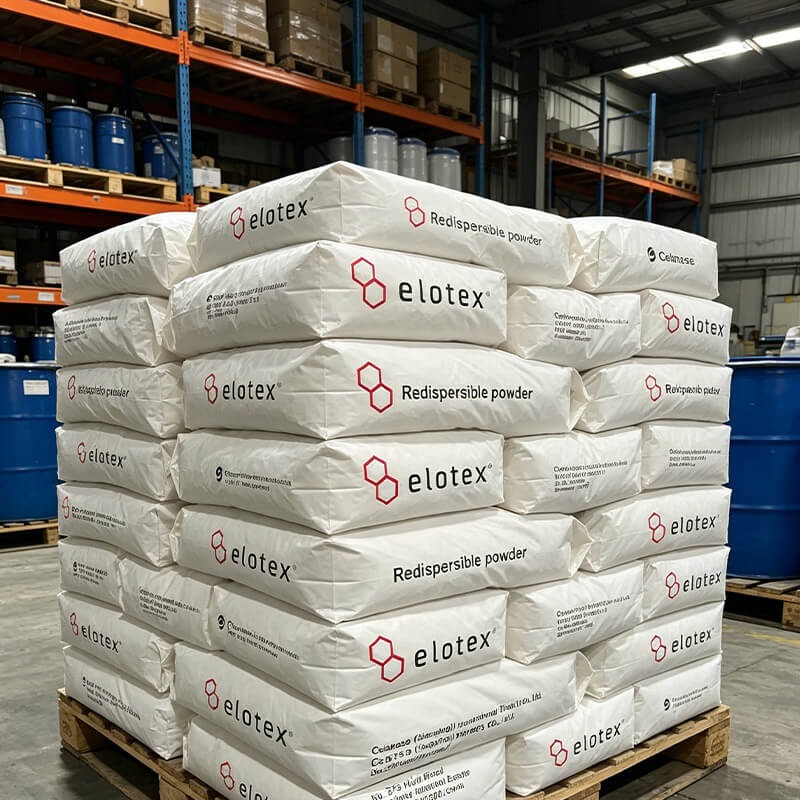
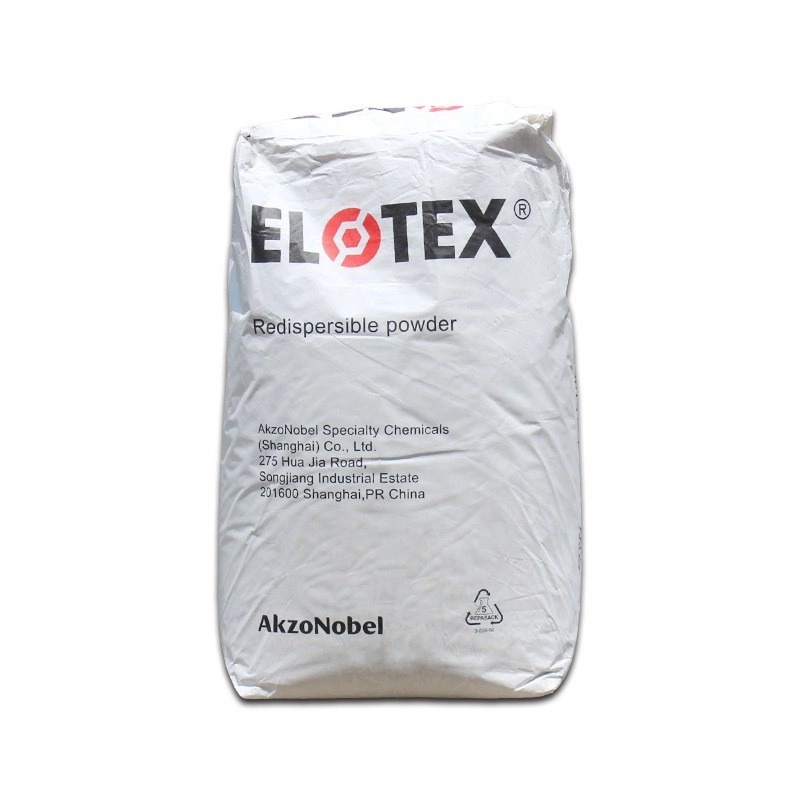
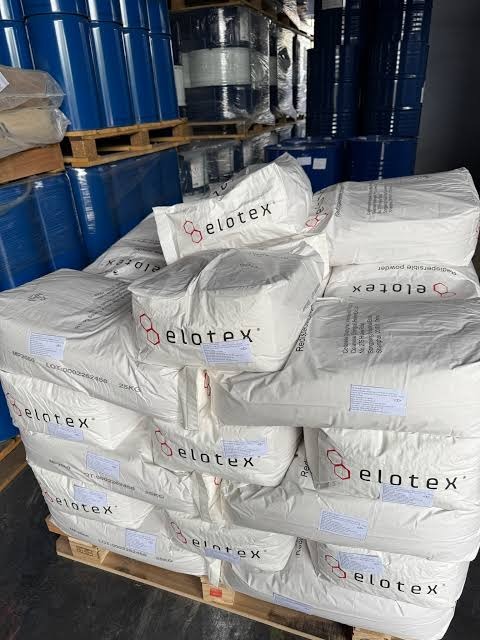
The grade this note is about, and two that sit next to it in the range.
Send the mortar system, the grade you are considering and the volume you plan for. The reply comes back with a dosage recommendation and a quotation.
Fred Wang
Sales

Scan to reach Fred Wang on WhatsApp
 +8615380400285
 sales2@liwei-chem.com
 +8615380400285
 Fred Wang
 Scan to WhatsApp