Base coat dosage drives the impact class, and 2 to 4 percent of FX2350 is where most ETICS base coats are built.
FX2350 is a flexible VAE powder with a minimum film forming temperature of 0 °C. In an ETICS base coat it has to do two jobs at once: hold the mesh and absorb impact without cracking.
Impact resistance in a base coat comes from the combination of mesh, thickness and polymer film. The mesh carries the energy, the polymer film spreads it, and the dosage sets how much spreading the film can provide.
FX2350 with a bulk density of 400 to 550 g/l redisperses into a film that stays flexible at service temperature. That is the property the impact test measures.
Standard base coats run 2 to 3 percent; systems that have to reach a higher impact class run 3 to 4 percent. Raising dosage without raising mesh weight quickly reaches a point where the extra polymer has nothing to work with.
Mesh embedment matters as much as dosage. A mesh that sits on the surface instead of in the upper third of the coat leaves the system with the polymer's flexibility but without the reinforcement.
The base coat is applied over adhesive that may still be curing, so water demand and open time have to work with the schedule. FX2350 keeps the mix workable long enough to embed the mesh in one pass.
Weather sets the limit. Below 5 °C and in direct sun the film may not form properly, and the same recipe can fail an impact test it passed in the laboratory.
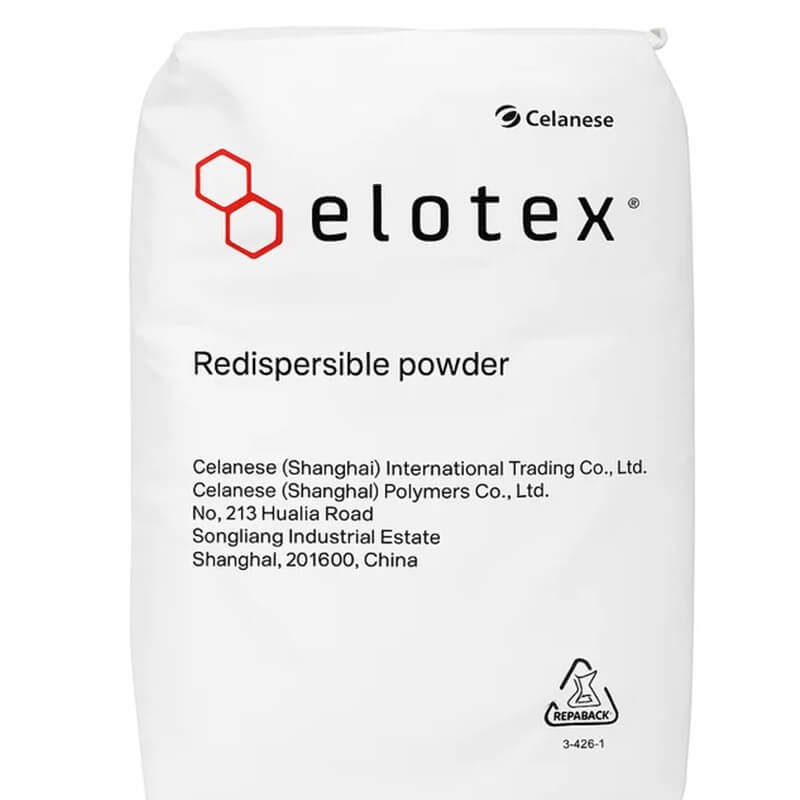
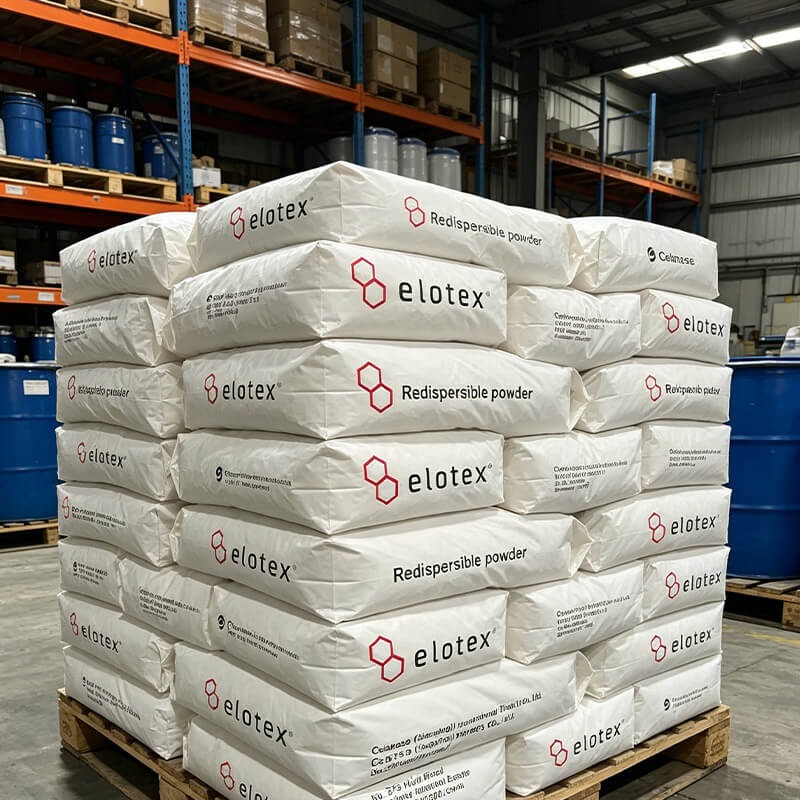
The grade this note is about, and two that sit next to it in the range.
Send the mortar system, the grade you are considering and the volume you plan for. The reply comes back with a dosage recommendation and a quotation.
Fred Wang
Sales

Scan to reach Fred Wang on WhatsApp
 +8615380400285
 sales2@liwei-chem.com
 +8615380400285
 Fred Wang
 Scan to WhatsApp