Fewer grades mean simpler logistics and wider compromises, and sometimes that exchange is the right one for a plant.
Every additional grade in a plant costs a silo, a dosing line, a quality control routine and a batch of paperwork. A multi-purpose binder exchanges performance for simplicity.
A silo slot is a fixed asset. Beyond three or four grades, small plants run out of storage before they run out of recipes.
Changeovers cost time and generate off-spec material at the start of each run. Fewer grades means fewer changeovers and more stable output.
A multi-purpose grade rarely wins a single test. A specialist grade will beat it on impact resistance, on water repellency or on sandability, depending on which property the specialist was designed for.
The question is whether that difference is visible to the customer. In a commodity C1 adhesive it usually is not; in a premium putty it usually is.
Use one multi-purpose grade for the long tail of products that sell in small volumes, and keep specialists for the products that carry the brand.
Review the split once a year. Volumes move, and the product that justified a specialist grade last year may not justify it now.
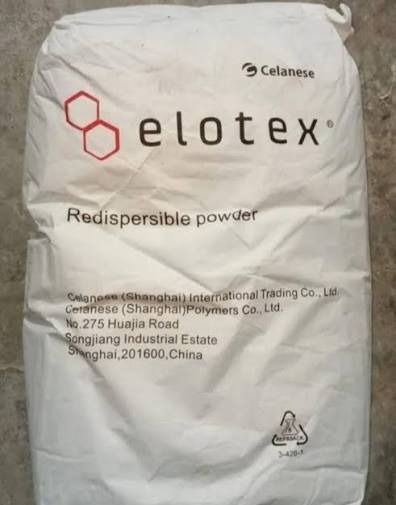
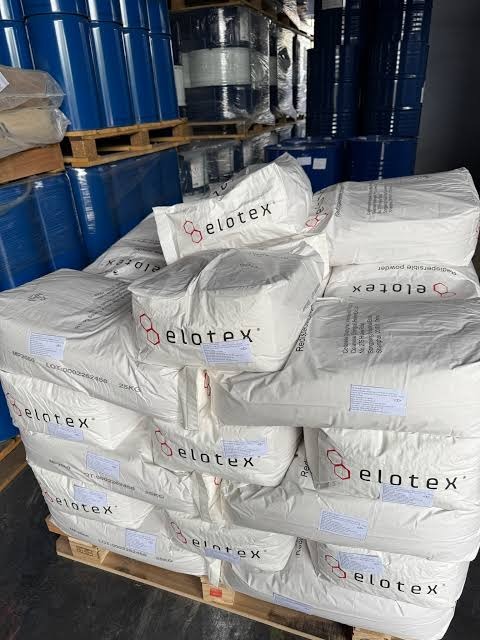
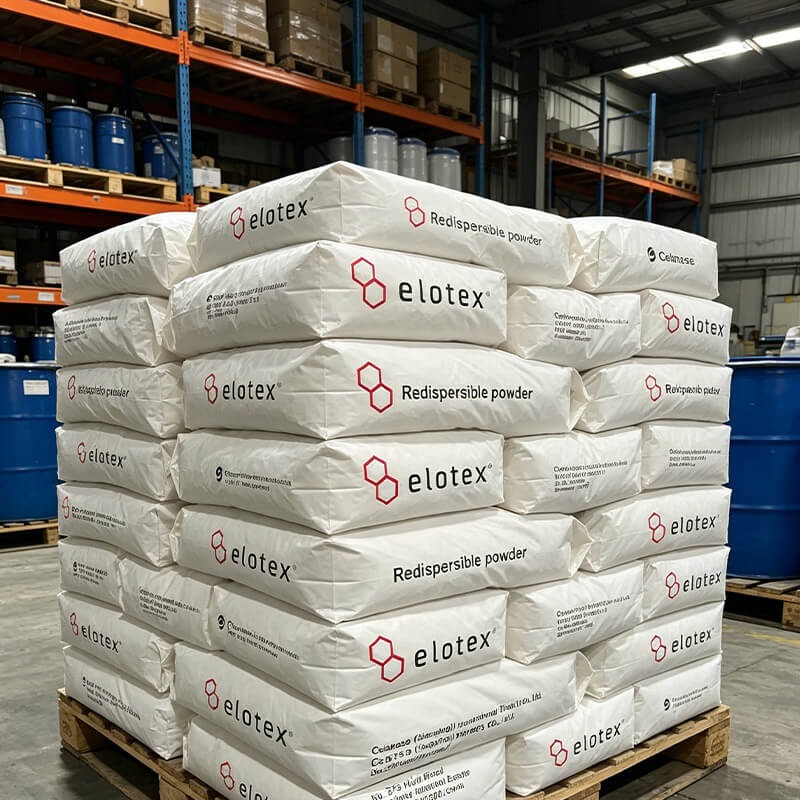
The grade this note is about, and two that sit next to it in the range.
Send the mortar system, the grade you are considering and the volume you plan for. The reply comes back with a dosage recommendation and a quotation.
Fred Wang
Sales

Scan to reach Fred Wang on WhatsApp
 +8615380400285
 sales2@liwei-chem.com
 +8615380400285
 Fred Wang
 Scan to WhatsApp