Shrinkage, adhesion and workability decide whether a joint cracks, and the binder choice sets all three.
A joint compound is judged by a decorator with a trowel, so workability matters as much as strength. Binder selection is where that balance is decided.
A joint fails by cracking, by de-bonding from the tape, or by showing a ridge under paint. Each points at a different part of the recipe.
Cracking is usually shrinkage, de-bonding is adhesion, and ridging is workability and sandability. A binder that fixes one can worsen another.
A hard binder such as MP2070 gives strong paper adhesion and a compound that sands to a clean edge. A soft binder gives flexibility but tends to clog paper and ball up under the trowel.
For interior joints that never move, hardness wins. For joints in timber-frame construction or in boards subject to movement, a blend is often the practical answer.
Starch ethers and cellulose ethers control water retention, slip and trowelling. Changing the binder without checking the ether balance usually moves the problem rather than solving it.
The same applies to the filler. A light filler demands more water and more binder, and the sanding behaviour changes with it.
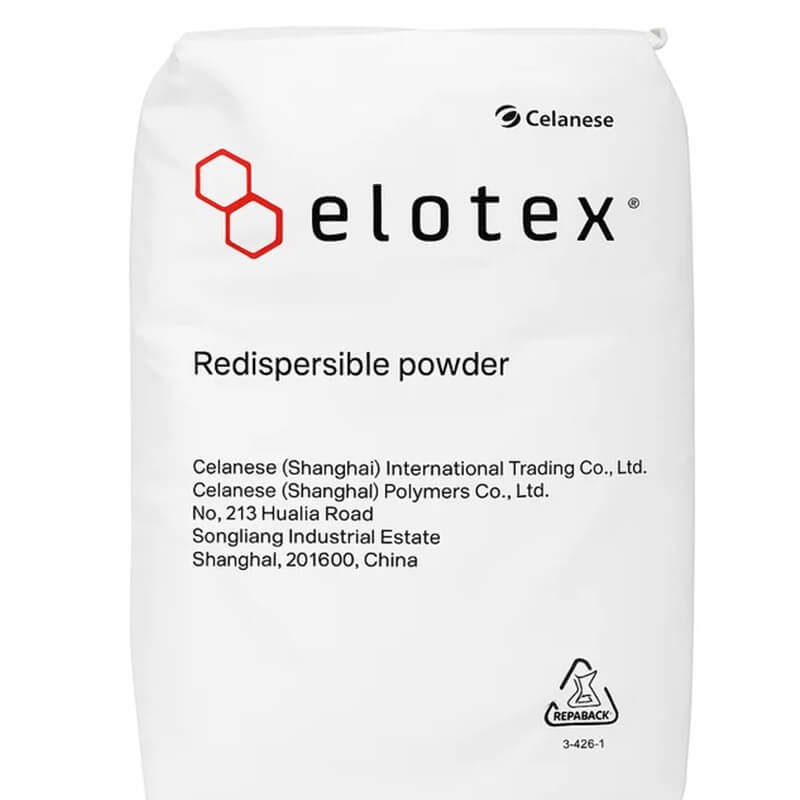
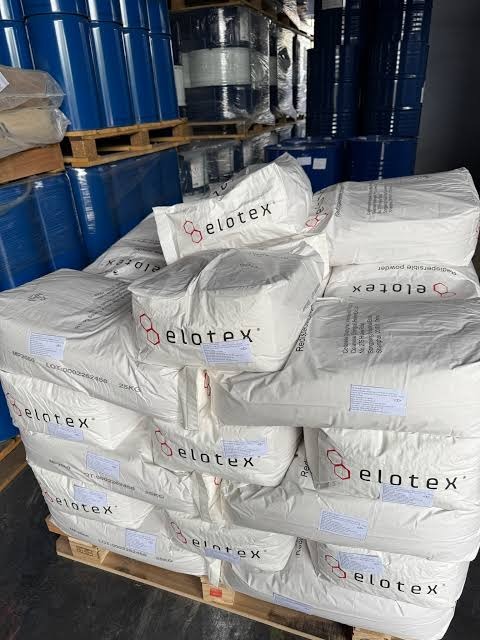
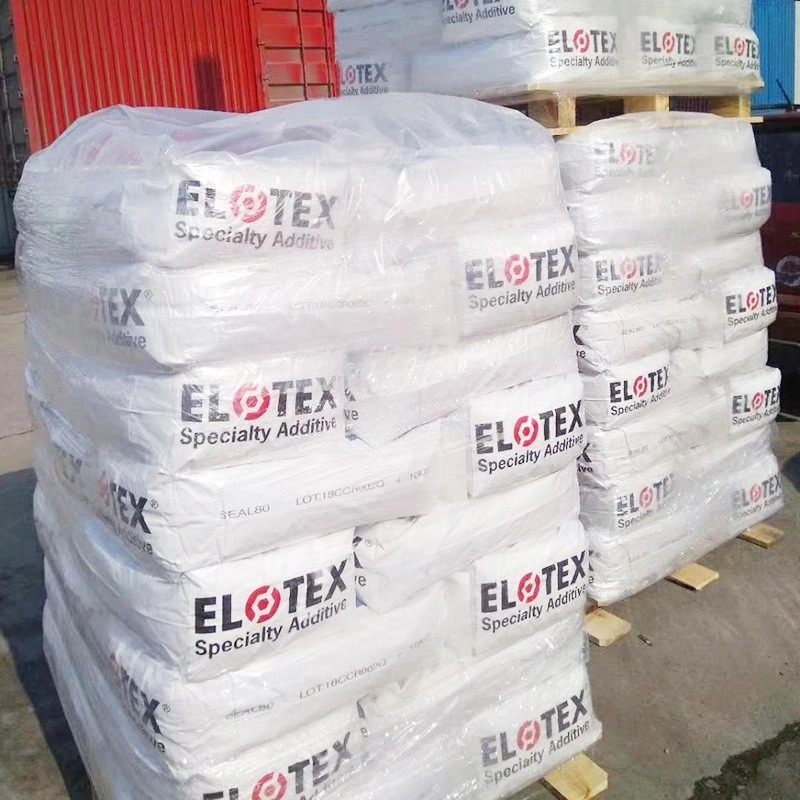
The grade this note is about, and two that sit next to it in the range.
Send the mortar system, the grade you are considering and the volume you plan for. The reply comes back with a dosage recommendation and a quotation.
Fred Wang
Sales

Scan to reach Fred Wang on WhatsApp
 +8615380400285
 sales2@liwei-chem.com
 +8615380400285
 Fred Wang
 Scan to WhatsApp