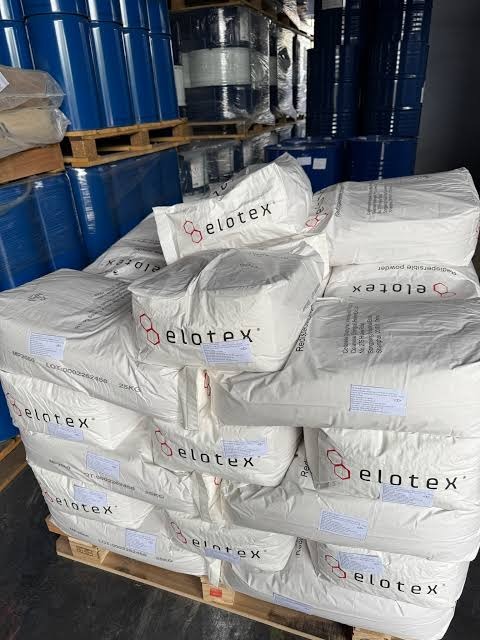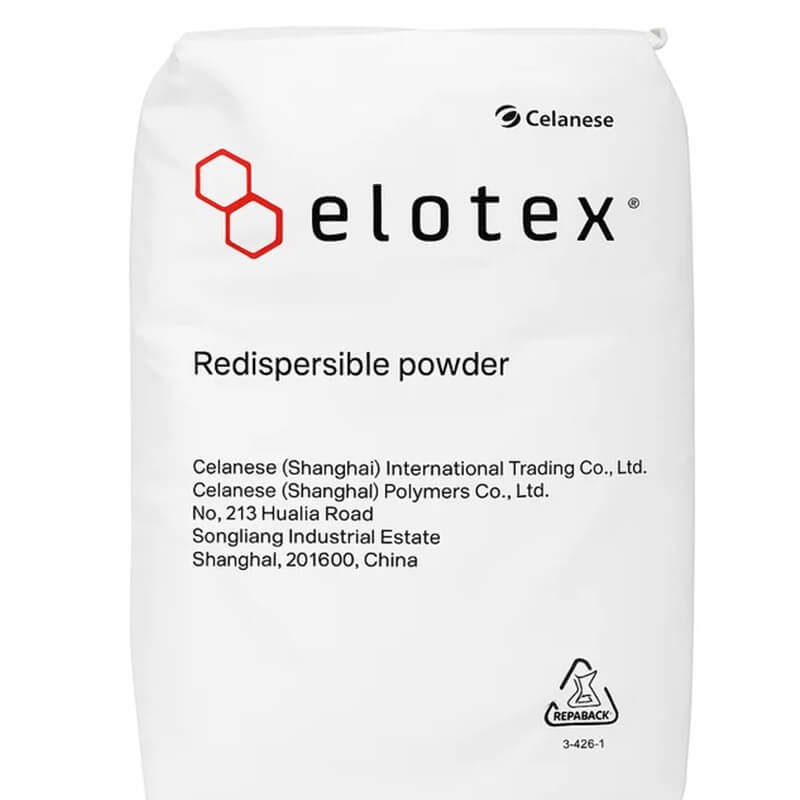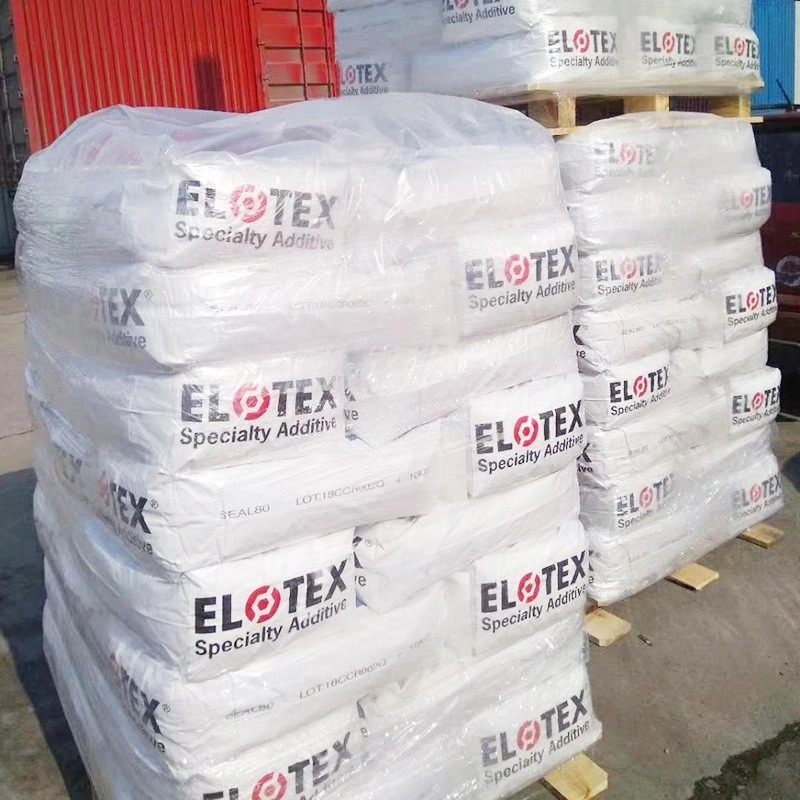
Three multi-purpose VAE grades, three different jobs: MFFT, film hardness and adhesion targets decide which one earns its place in the recipe.
MP2050, MP2070 and MP2100 sit close together on paper, and producers often ask whether the choice matters. It does, but the difference shows up in the film rather than in the powder.
MP2050 is the balanced grade. Its film is neither soft nor brittle, which is why it appears in adhesives, renders and grouts without much reformulation between them.
MP2070 is the harder grade. A harder film gives better cohesion and better grab on paper and board edges, at the cost of some flexibility. MP2100 sits with MP2050 on film forming temperature but is chosen for how fast it redisperses and how much cohesion it brings to a thin bed.
Gypsum joint compounds and large-format wall adhesives reward hardness and early grab, so MP2070 is the natural starting point there. Thin-bed adhesives and general purpose mortars that need fast mixing and clean redispersion start with MP2100.
For a producer running several lines, MP2050 has the widest working range. It is rarely the best answer to a single question and almost always an acceptable answer to all of them.
Take the mortar you already make and swap only the polymer, keeping water and dosage constant. Compare tensile adhesion, open time and trowel feel after seven and twenty-eight days.
If the three grades perform within the noise of your test, the decision belongs to logistics: fewer grades in the silo usually beats a marginal performance gain.
The grade this note is about, and two that sit next to it in the range.
Send the mortar system, the grade you are considering and the volume you plan for. The reply comes back with a dosage recommendation and a quotation.
Fred Wang
Sales

Scan to reach Fred Wang on WhatsApp
 +8615380400285
 sales2@liwei-chem.com
 +8615380400285
 Fred Wang
 Scan to WhatsApp