Hydrophobic powders cost more per kilo, so the question is where the premium returns value and where it is wasted.
Every dry-mix producer faces the same decision: pay for hydrophobicity across the range, or keep it for the products that actually need it.
A hydrophobic grade changes water uptake in the hardened mortar. In a tile grout that means less dirt pick-up and less efflorescence risk; in a waterproofing coat it means a drier matrix behind the finish.
The premium is usually a fraction of the total formulation cost. On a grout selling at a premium price, that fraction is easy to carry.
In a bedding mortar covered by tile, nobody sees the surface and little water reaches it. A standard grade does the same job for less.
In an interior putty, water repellency adds nothing to a product that never gets wet. The money is better spent on hardness and sandability.
Sort the range by water exposure rather than by product family. Anything permanently wet, intermittently wet or cleaned regularly justifies the hydrophobic grade.
Then check the specification. If a standard or a customer requires a water absorption figure, the hydrophobic grade is not a luxury but the cheapest way to meet it.
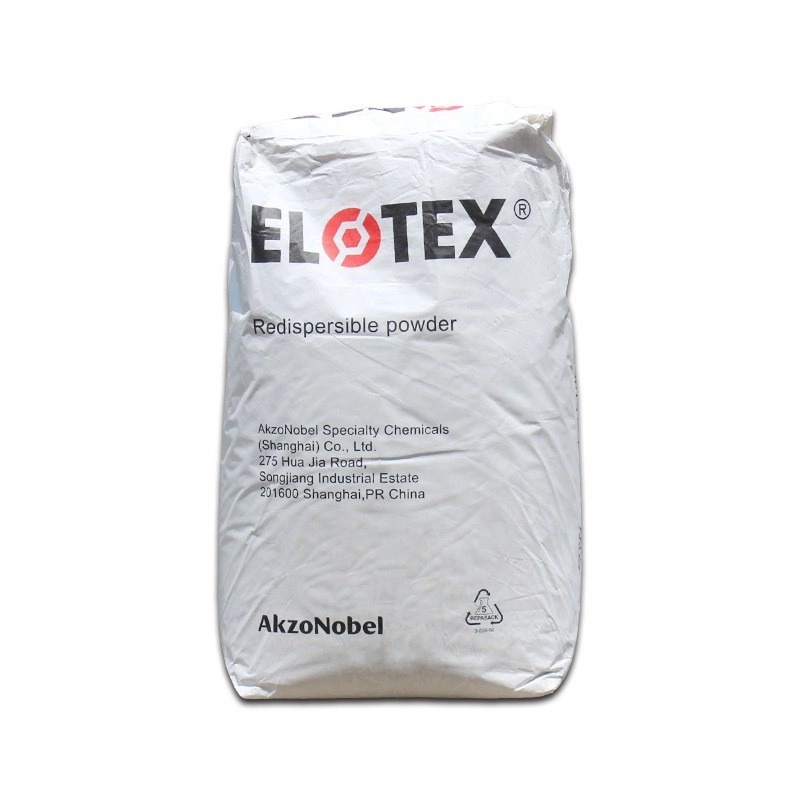
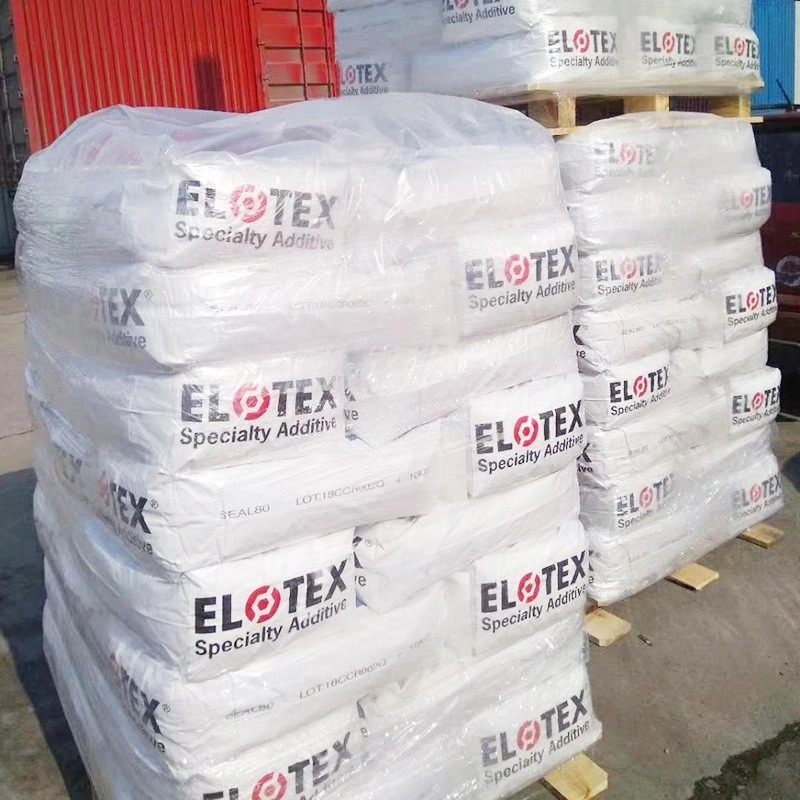
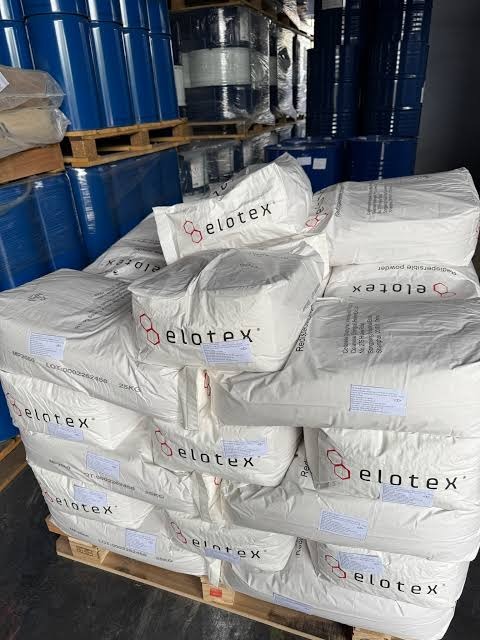
The grade this note is about, and two that sit next to it in the range.
Send the mortar system, the grade you are considering and the volume you plan for. The reply comes back with a dosage recommendation and a quotation.
Fred Wang
Sales

Scan to reach Fred Wang on WhatsApp
 +8615380400285
 sales2@liwei-chem.com
 +8615380400285
 Fred Wang
 Scan to WhatsApp