CG1 and CG2 look like two letters on a bag, but they describe different water absorption and abrasion limits.
EN 13888 classifies cementitious grouts as CG1 or CG2. The difference is not cosmetic, and it decides which binder and which dosage a formulation needs.
CG1 is the standard class: reduced water absorption and a defined abrasion resistance. CG2 is the improved class, with a tighter water absorption limit and higher abrasion resistance.
The tests are run on hardened specimens after a set curing period, so a grout that looks dense on site can still miss the class if the curing was wrong.
Moving from CG1 to CG2 usually means a denser matrix: a defoamed powder, a hydrophobic component and often a lower water-to-binder ratio.
Dosage alone does not get you there. A high dose of a standard powder raises strength but leaves the air voids that the water absorption test finds.
Water absorption is measured after short and longer immersion, and the longer value is the one that separates formulations. It is also the value that customers notice as staining months later.
Abrasion resistance depends on the surface, so the way the joint is finished and cleaned matters as much as the recipe.
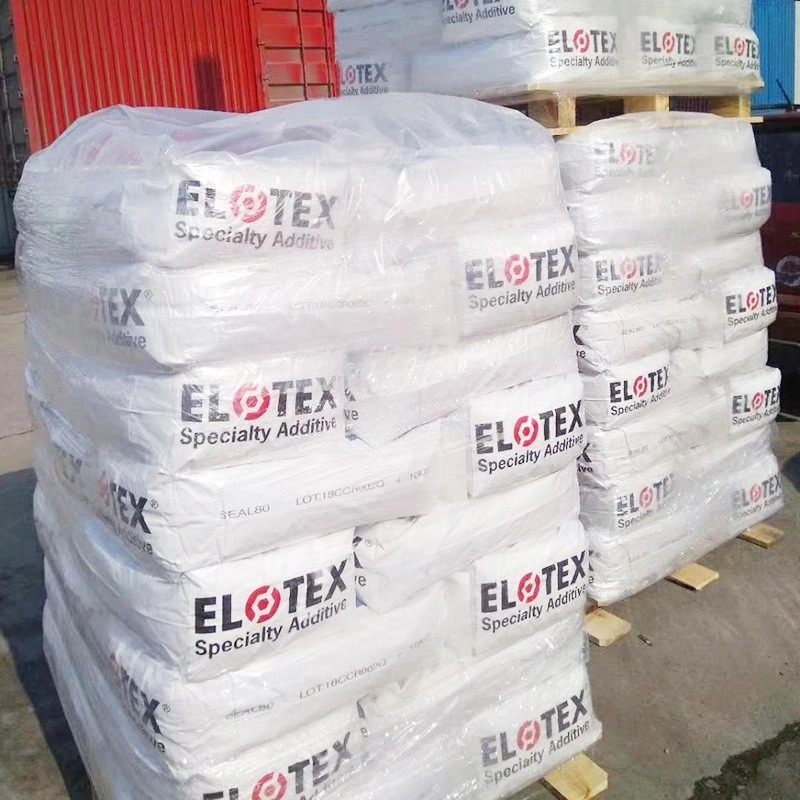
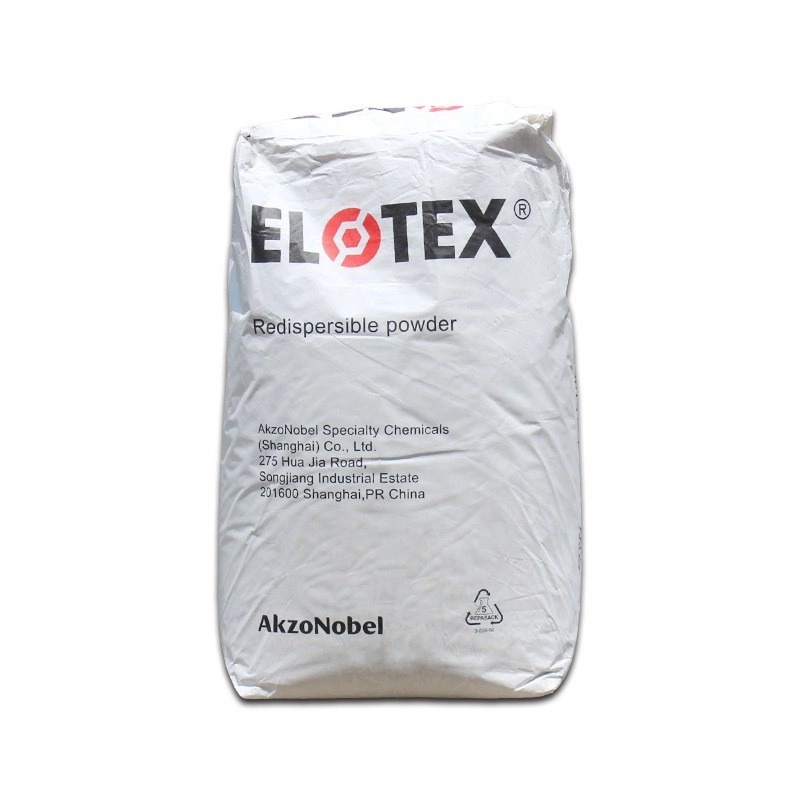
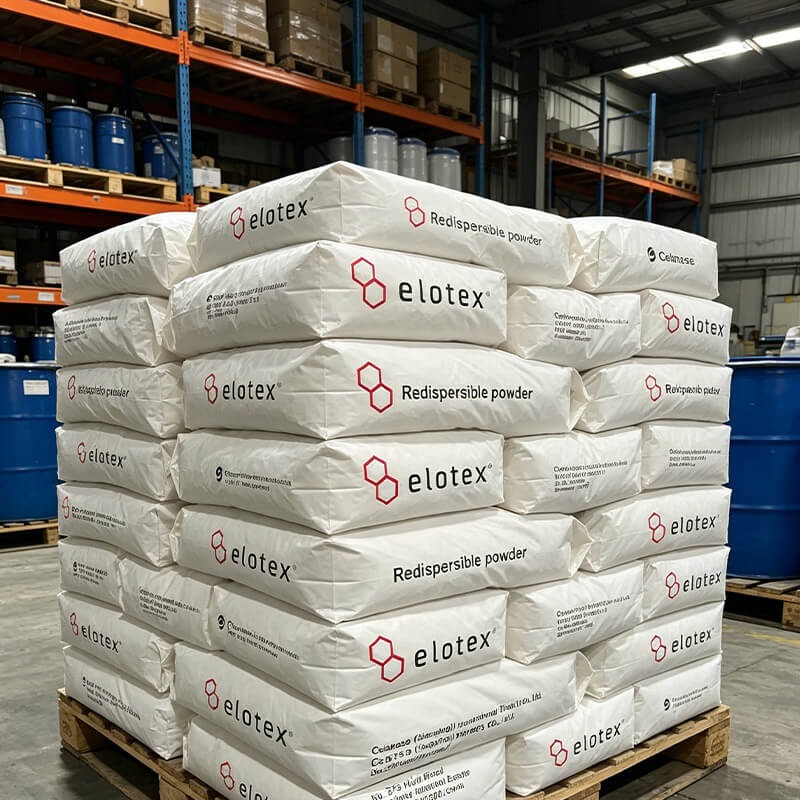
The grade this note is about, and two that sit next to it in the range.
Send the mortar system, the grade you are considering and the volume you plan for. The reply comes back with a dosage recommendation and a quotation.
Fred Wang
Sales

Scan to reach Fred Wang on WhatsApp
 +8615380400285
 sales2@liwei-chem.com
 +8615380400285
 Fred Wang
 Scan to WhatsApp