Highly alkaline cement attacks VAE binders, and a styrene-acrylic base such as FX7000 is chosen for where that attack matters.
FX7000 is a styrene-acrylic powder with a minimum film forming temperature of 0 °C. Its chemistry, not its dosage, is what makes it suitable for structural repair.
Vinyl acetate polymers hydrolyse in strongly alkaline conditions, a reaction called saponification. Cement pore water is strongly alkaline, so the reaction runs continuously in a VAE-modified mortar.
Styrene-acrylic polymers lack the acetate group that the reaction attacks. Their strength therefore holds up over years rather than dropping away after the first season.
Repair mortars live or die on the bond to the old concrete. FX7000 combines high dry and wet adhesion with enough film flexibility to follow the substrate as it moves.
Surface preparation still decides the outcome. A dusty, uncompacted substrate will de-bond whatever the powder, and no dosage compensates for that.
Structural repair mortars usually carry 3 to 5 percent of a styrene-acrylic grade, higher than a bedding mortar, because the polymer is carrying tensile and flexural strength rather than just adhesion.
Above that band the mortar can become too stiff to place in thin layers, and shrinkage cracking starts to appear where the polymer was meant to prevent it.
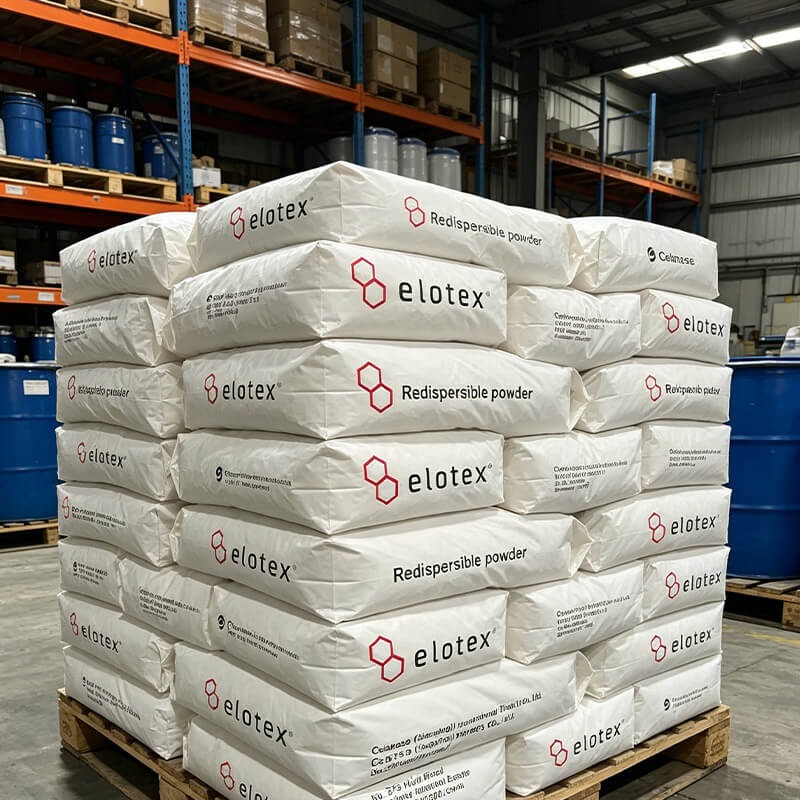
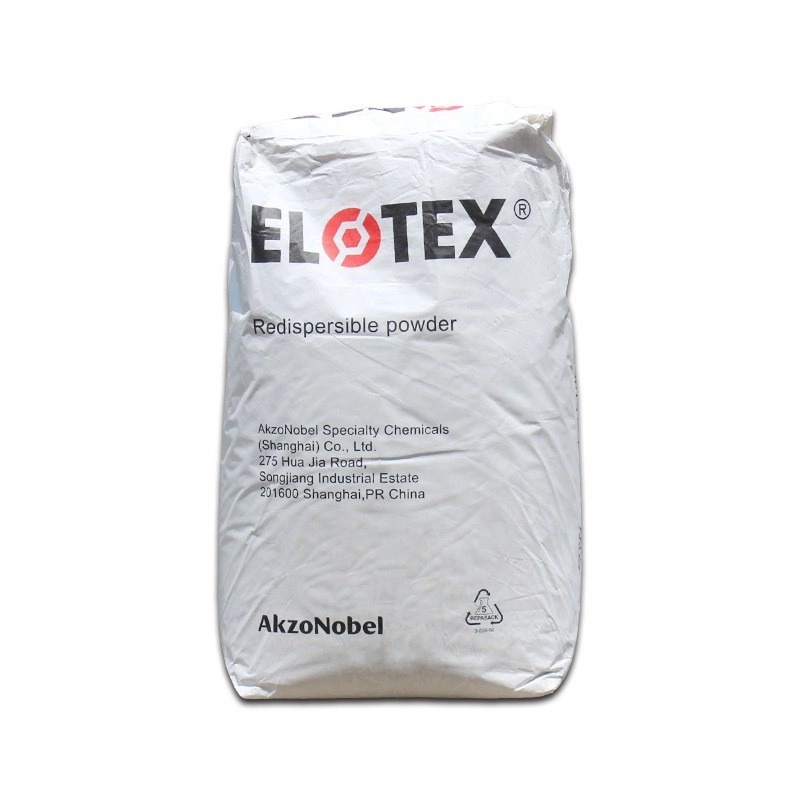
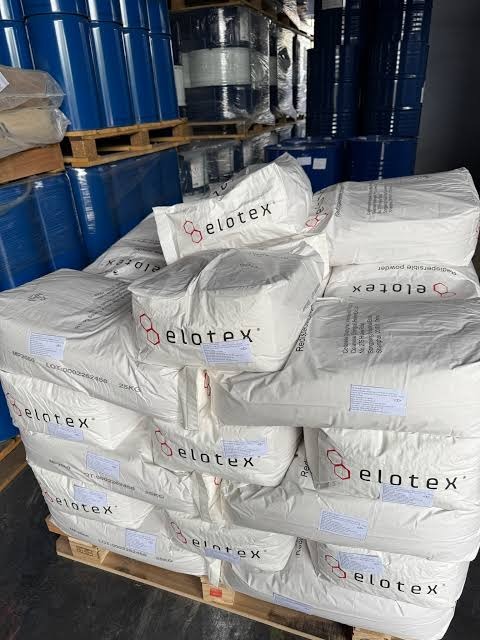
The grade this note is about, and two that sit next to it in the range.
Send the mortar system, the grade you are considering and the volume you plan for. The reply comes back with a dosage recommendation and a quotation.
Fred Wang
Sales

Scan to reach Fred Wang on WhatsApp
 +8615380400285
 sales2@liwei-chem.com
 +8615380400285
 Fred Wang
 Scan to WhatsApp