Adhesive, base coat and top coat are three different mortars in one system, and one powder rarely covers all three without a compromise.
An ETICS facade looks like a single product on a wall. Behind the finish it is a stack of mortars with different jobs, and each one asks something different from its binder.
The adhesive has to bond an insulation board to a substrate it cannot see. It needs high water retention so the cement does not steal the mixing water, and enough flexibility to follow the board as it moves.
Dosage is usually 2 to 4 percent of a flexible powder. Under-dosing shows up first as board pull-off failures at the edges, where drying is fastest.
The base coat holds the mesh and takes impact. Its polymer demand is set by the impact class, and its workability by the need to embed the mesh in one pass without tearing.
This is where a flexible grade earns its price. A rigid powder at the same dosage gives a harder surface film and a lower impact result.
The top coat is thin, decorative and exposed. It needs water repellency, colour stability and enough binder to resist rain without chalking.
Many systems use a different powder or an additive package here, because the properties that matter are surface properties rather than strength.
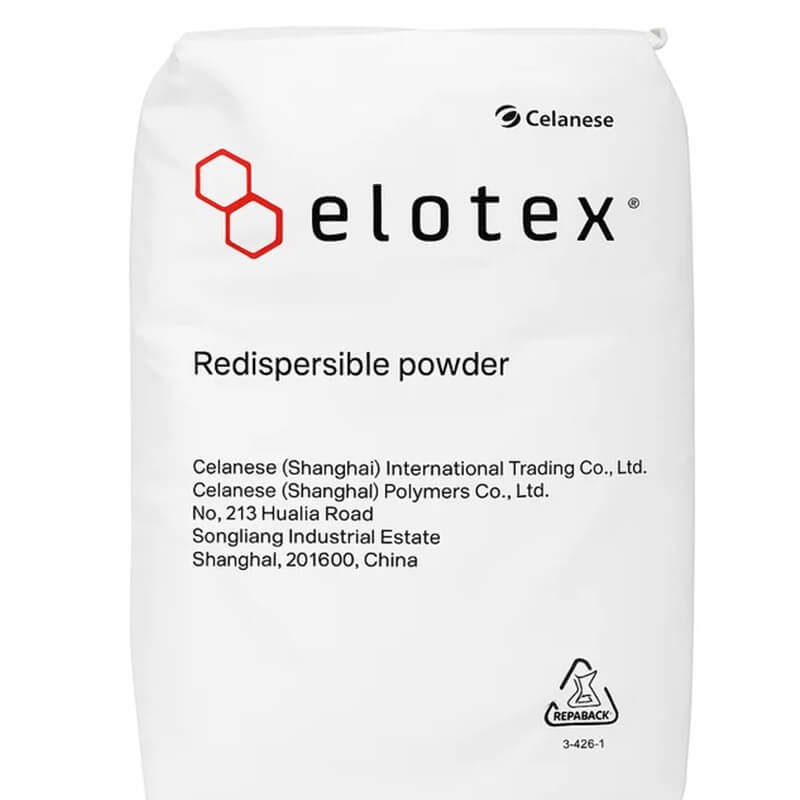
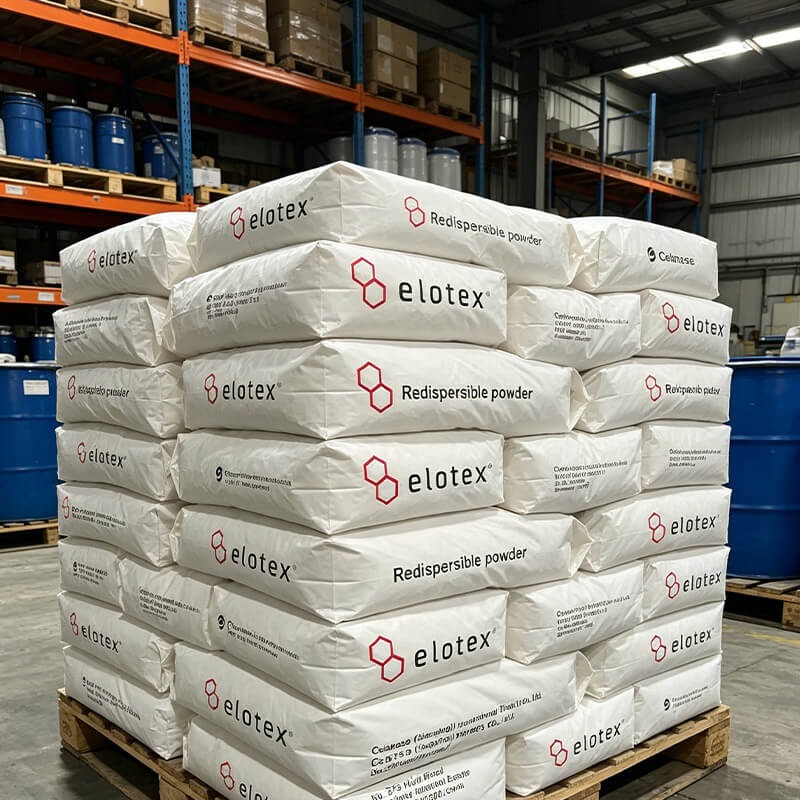
The grade this note is about, and two that sit next to it in the range.
Send the mortar system, the grade you are considering and the volume you plan for. The reply comes back with a dosage recommendation and a quotation.
Fred Wang
Sales

Scan to reach Fred Wang on WhatsApp
 +8615380400285
 sales2@liwei-chem.com
 +8615380400285
 Fred Wang
 Scan to WhatsApp