High ethylene content gives 80W its deformability, and that shows up as impact resistance and adhesion on polystyrene boards.
80W is a high-ethylene VAE powder with a minimum film forming temperature of 0 °C. In an ETICS system it is the grade that has to survive hail, thermal cycling and the movement of a soft substrate.
Ethylene in the polymer backbone lowers the glass transition temperature and makes the film soft at service temperature. A soft film deforms under impact instead of transferring the energy to the brittle base coat.
The same softness improves adhesion to polystyrene, because the polymer can wet and key into a low-energy surface that cement alone does not grip.
ETICS adhesive mortars usually carry 2 to 4 percent of 80W, and base coats sit in the same band. The exact level depends on the impact class the system has to reach and on the mesh weight used.
Because the powder is flexible, adding more raises impact resistance steadily rather than flattening out. The limit is usually cost and, at very high dosage, a stickier mix that is harder to trowel.
80W is not a waterproofing binder. It tolerates rain on a facade but does not replace a hydrophobic grade in a grout or a sealing slurry.
It is also a poor choice for putty and skim coat, where a soft film sands badly and clogs paper. That job belongs to a rigid grade.
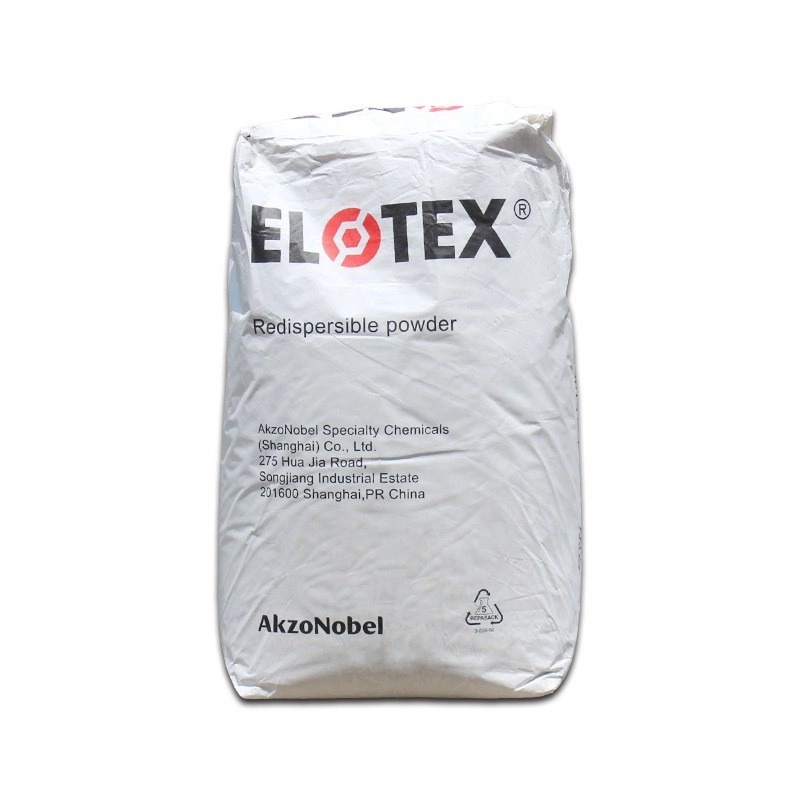
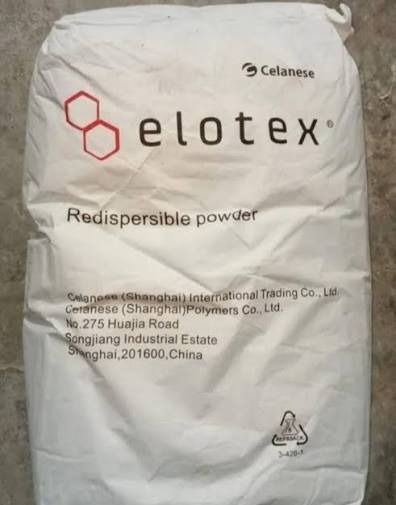
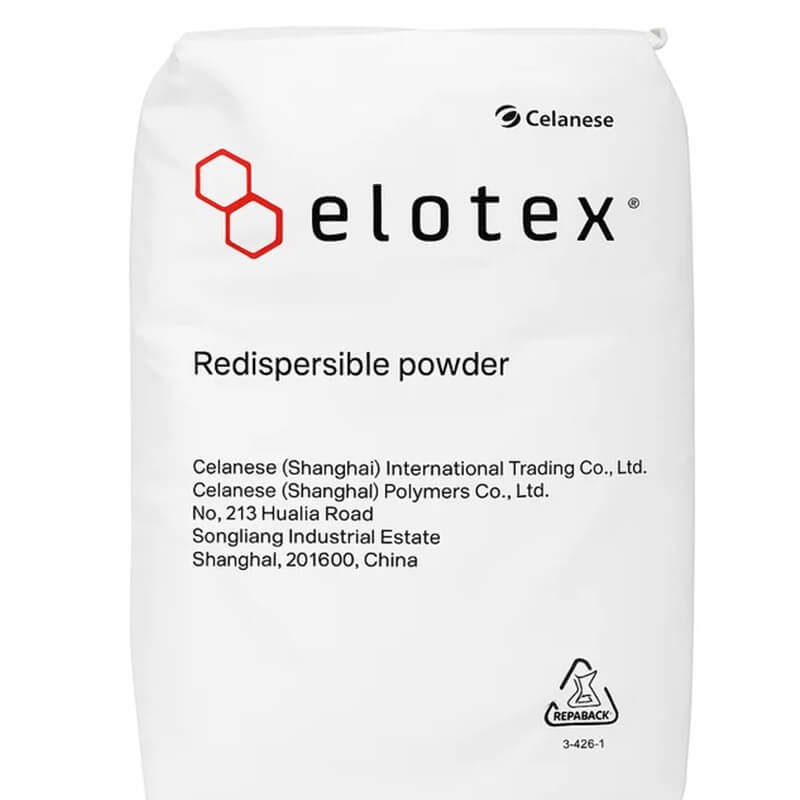
The grade this note is about, and two that sit next to it in the range.
Send the mortar system, the grade you are considering and the volume you plan for. The reply comes back with a dosage recommendation and a quotation.
Fred Wang
Sales

Scan to reach Fred Wang on WhatsApp
 +8615380400285
 sales2@liwei-chem.com
 +8615380400285
 Fred Wang
 Scan to WhatsApp