Three numbers on every redispersible powder data sheet explain most of its behaviour: bulk density, ash and film forming temperature.
A technical data sheet looks like a list of unrelated figures. Read in the right order, it is a short description of how the powder will behave in a mortar.
Bulk density describes how the powder was made as much as what it is. Spray dried particles with a hollow structure are lighter, flow better and redisperse faster; denser particles pack into a smaller silo.
For a producer, bulk density decides silo volume, dosing screw settings and the feel of the powder in the mixer. Two powders with the same chemistry but different density behave differently on the same line.
Ash is what remains after the polymer is burned away, mostly mineral antiblocking agent and residue. A higher ash figure means less polymer per kilo of powder.
That is why ash is the first thing to compare when two quotations look too far apart. The cheaper powder often carries more mineral and less polymer, and the dosage has to rise to compensate.
The minimum film forming temperature decides the lowest temperature at which the polymer still coalesces into a film. It is the number that connects a data sheet to a construction site.
A powder with a low value tolerates cold application and gives a flexible film; a high value gives a hard film and needs warmth. Neither is better in the abstract.
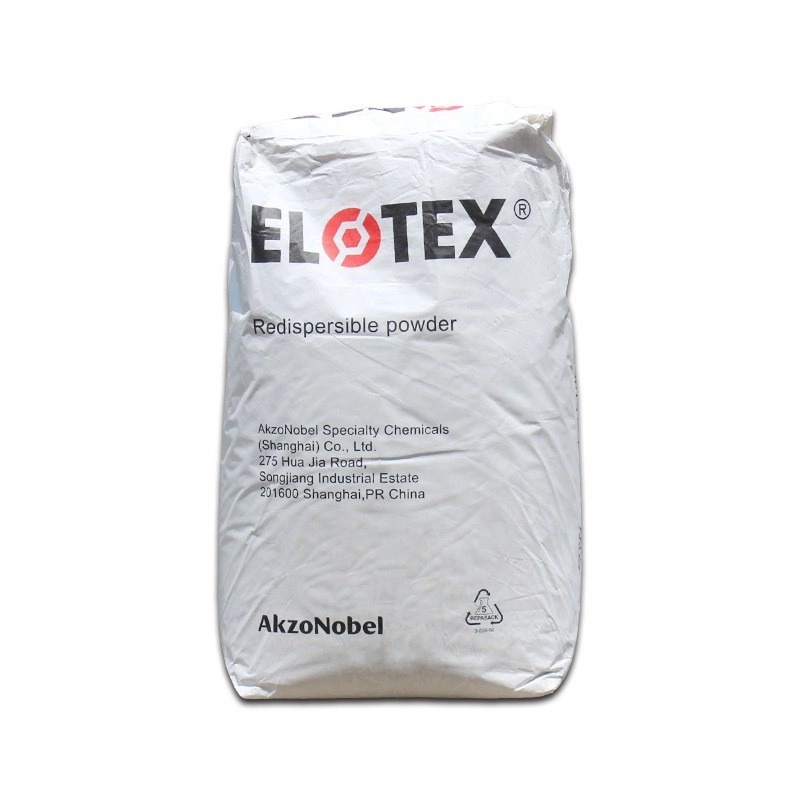
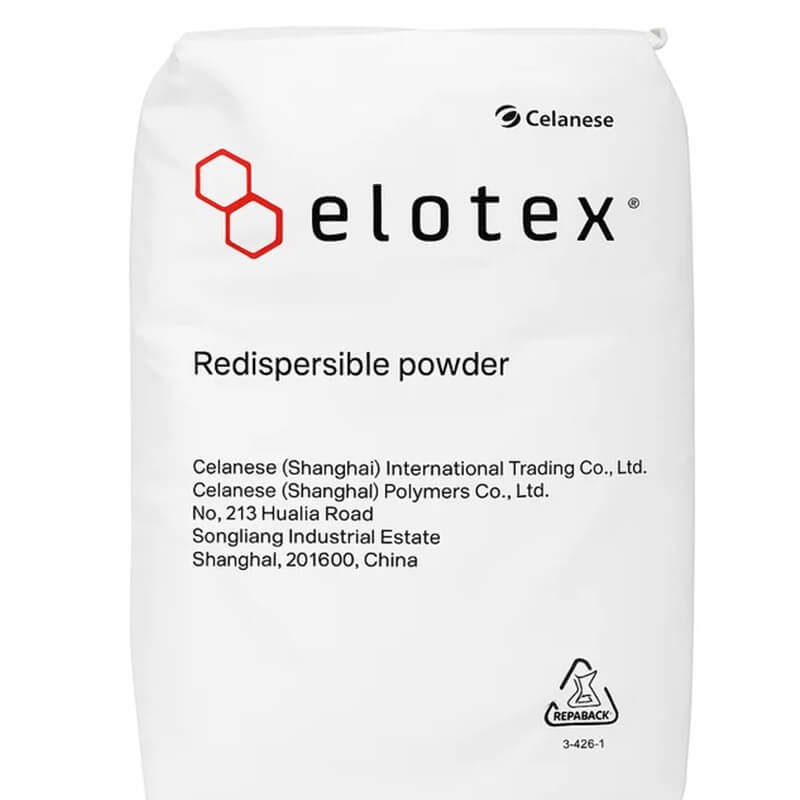
The grade this note is about, and two that sit next to it in the range.
Send the mortar system, the grade you are considering and the volume you plan for. The reply comes back with a dosage recommendation and a quotation.
Fred Wang
Sales

Scan to reach Fred Wang on WhatsApp
 +8615380400285
 sales2@liwei-chem.com
 +8615380400285
 Fred Wang
 Scan to WhatsApp