Container loading, payment structure and seasonal price movement decide what 80W really costs per tonne delivered.
80W is bought by ETICS system producers and by adhesive plants, often in container volumes. At that scale the commercial details outweigh the per-kilo price.
A 20 foot container takes roughly 20 tonnes of 25 kg sacks on pallets, and a 40 foot container roughly 24 tonnes, depending on pallet height and the weight limit on the route. Big bags load differently and usually fill the weight limit before the volume.
Confirm the loading plan with the supplier before the booking. Reworking a load at the port is expensive and slow, and the cost lands on the buyer.
First orders usually run on a deposit with the balance against documents; repeat orders move towards open account terms as the payment history builds.
Incoterms decide where your risk starts. FOB gives control of freight but puts the port handling on you; CIF is simpler to budget and harder to optimise.
ETICS work follows the construction season. Demand for flexible powders rises ahead of spring and autumn campaigns, and capacity tightens with it.
A buyer with dry storage can place a larger order before the peak and take the price advantage. A buyer without storage pays the peak price and stores the risk at the same time.
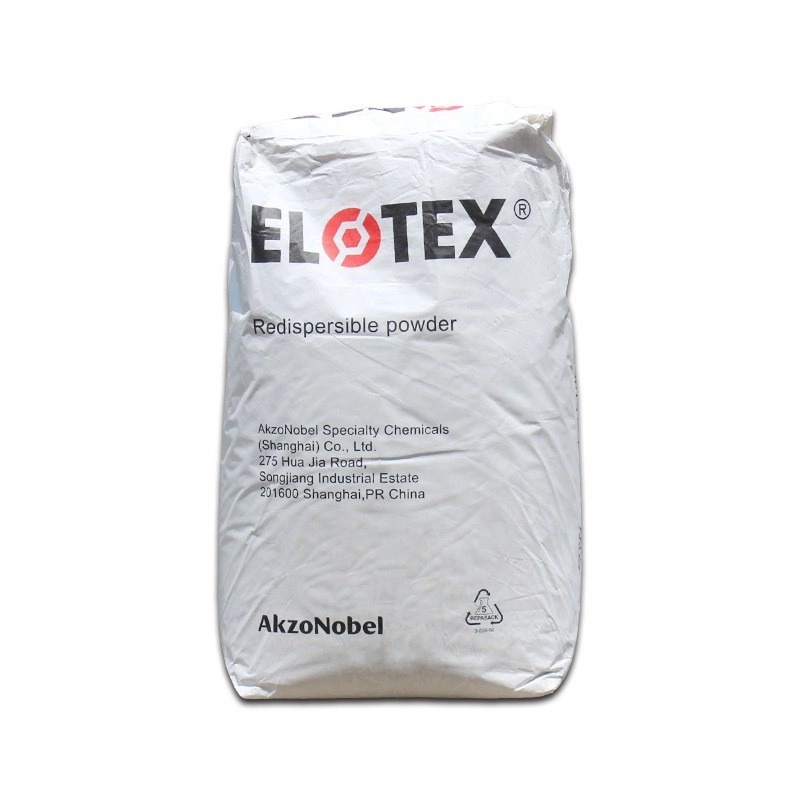
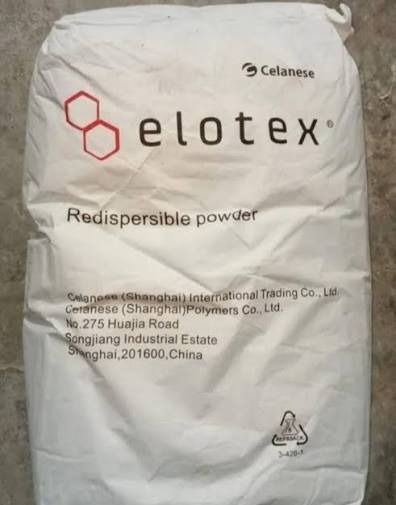
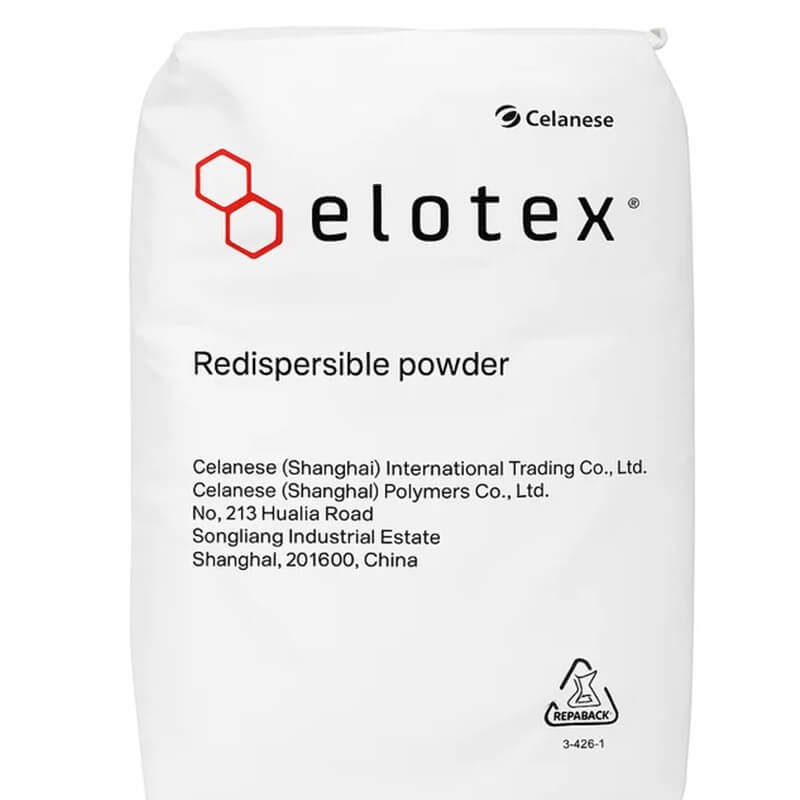
The grade this note is about, and two that sit next to it in the range.
Send the mortar system, the grade you are considering and the volume you plan for. The reply comes back with a dosage recommendation and a quotation.
Fred Wang
Sales

Scan to reach Fred Wang on WhatsApp
 +8615380400285
 sales2@liwei-chem.com
 +8615380400285
 Fred Wang
 Scan to WhatsApp